Trying to decide if your budget will go further in Nassau County or Queens? You are not alone. Many buyers and sellers in our area weigh space, commute, taxes, and property type before making the move across the county line. In this guide, you will see how prices, monthly costs, and lifestyle tradeoffs compare so you can plan with confidence. Let’s dive in.
Big picture prices today
Recent county medians sit in a similar range, with Nassau generally a touch higher on the purchase price and Queens often higher on price per square foot in inner neighborhoods.
- Redfin, Jan 2026: Queens median sale price about $785,000; Nassau about $820,000 (vendor and month noted for clarity).
- Redfin, Jan 2026: price per square foot about $565/sq ft in Queens vs $506/sq ft in Nassau.
- Local MLS snapshots show single-family medians in Nassau often in the $790,000–$860,000 band during 2025, with Queens co-op medians lower and newer condos higher by neighborhood. You can review ongoing local context in the OneKey MLS market updates for Long Island and Queens.
If you read multiple reports and the numbers do not match, that is normal. Some vendors track closed-sale medians, some track listing medians, and others publish a model of typical value. Always note the source and the month when you compare. For current regional stats, see the OneKey MLS market statistics page for Long Island and Queens updates at OneKey MLS market statistics.
Why sources differ
- Different metrics: median closed sale, median list, and index values are not the same. They answer different questions.
- Timing: reports are updated monthly and can shift with seasonality.
- Property type mix: single-family, condo, and co-op medians differ widely in Queens and Nassau, which can skew countywide views. For recent local context, the Long Island Board of REALTORS consumer updates are helpful, such as the March 2025 Long Island and Queens data and the April 2025 update.
What your money buys
Below are illustrative scenarios to help you picture options. Your exact results will depend on the block, building, and property condition. A local comparative market analysis is always the final word.
Around $400,000
- Queens: Often a 1-bedroom co-op or smaller condo in neighborhoods like Sunnyside, Jackson Heights, or Rego Park, plus options in parts of northwestern Queens.
- Nassau: Limited single-family choices at this price. You are more likely to see smaller condos or the occasional co-op where available, or significant fixer projects. Some buyers look to outer Nassau or Freeport for possibilities.
Around $650,000
- Queens: 2-bedroom condos in several neighborhoods, smaller single-family options in outer Queens, or a two-family project that needs work.
- Nassau: A modest single-family home in select towns such as Freeport or parts of Levittown or Hempstead. Expect more interior space and a yard vs similar dollars in many Queens locations.
Around $900,000
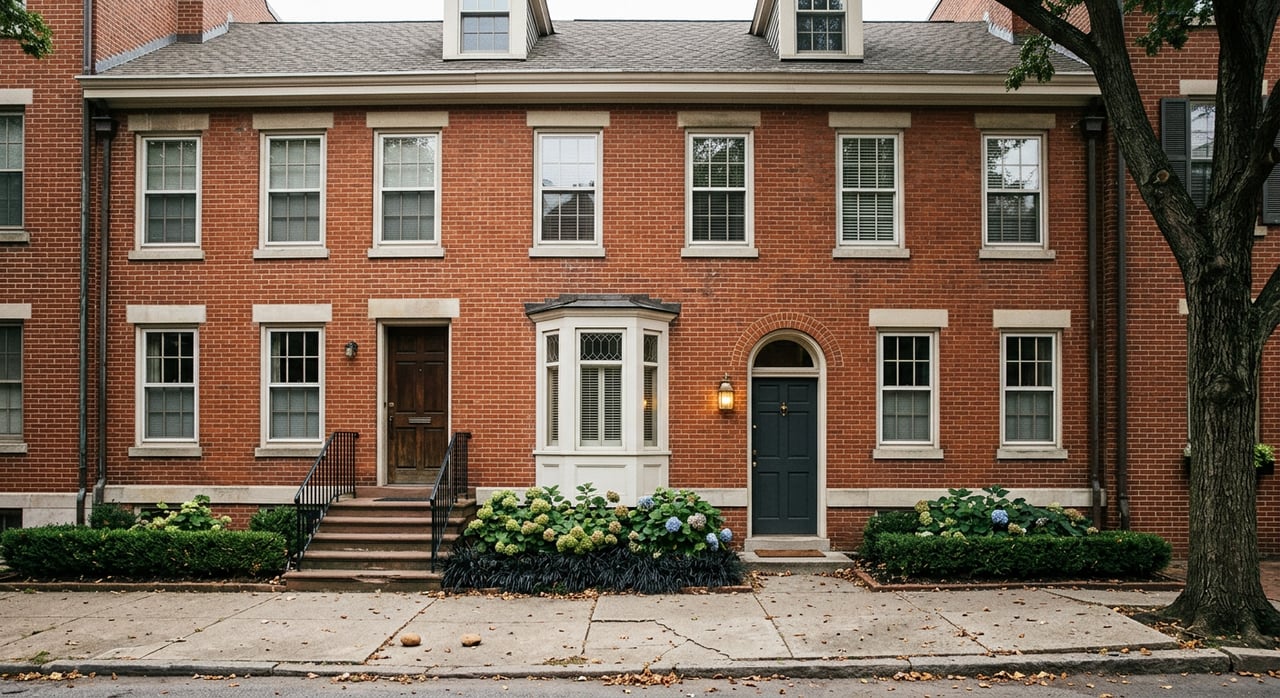
- Queens: Townhouse-style homes or larger condos, plus some 2–3 family options in places like Forest Hills or Bayside, depending on the block and condition.
- Nassau: A comfortable single-family home in many towns. Exact features vary by village and school district boundaries, which often influence demand.
Around $1.5M
- Queens: Upper-tier condos or townhouses, and select 2–3 family properties in prime neighborhoods, with inventory varying by season.
- Nassau: A wider selection of larger single-family homes on larger lots in many North Shore and central villages.
For a sense of current market tightness and days on market, the regional MLS provides ongoing updates at OneKey MLS market statistics.
By property type
Single-family homes
- Queens: Broad range from about $400,000 to $1.2M or more, with many sales between $500,000 and $900,000 depending on the neighborhood and lot.
- Nassau: Roughly $600,000 to several million. Many towns show medians from the high $700,000s into the low $1Ms, with premium North Shore villages often above $1M.
Condos and co-ops
- Queens: A large share of the market. Typical co-op medians have been around $320,000 in recent MLS snapshots, while newer condos in areas like Long Island City or Astoria may list from the mid $600,000s into $1M or more.
- Nassau: Fewer co-ops, with condos concentrated in suburban and waterfront developments. County-level condo medians often exceed many Queens co-op medians. Fewer sub-$400,000 condo options appear in Nassau’s commuter towns.
Small multi-family (2–4 units)
- Queens: Abundant 2–3 family stock in many neighborhoods. Recent sales frequently land from the mid $600,000s to the low $1Ms depending on location and condition.
- Nassau: 2-family properties appear less often and at higher absolute prices due to lot size and house size, often around the upper $900,000s to $1.4M in recent samples.
Monthly costs and taxes
Purchase price tells only part of the story. Your monthly budget must include taxes, insurance, and building fees where applicable. This is where Queens and Nassau can differ the most.
Taxes at a glance
- Nassau County: Homeowners typically pay higher property tax bills in absolute dollars, often in the four- to low five-figure range, depending on assessed value and exemptions. See Nassau County communications for general context at Nassau County property tax update.
- Queens (NYC): Taxes are based on New York City’s tax class system and assessed values, not straight market value. Nominal FY 2026 rates published by the NYC Department of Finance are about 19.843 percent for Class 1 and 12.439 percent for Class 2, applied to assessed value within each class. Learn more at the NYC Department of Finance tax rates page.
What this means: comparing a Nassau single-family to a Queens condo is not apples to apples. A Queens condo is usually Class 2, with a different assessment ratio and rate than a Class 1 single-family. Nassau does not use NYC’s tax class system, so the calculation method and final bill structure differ).
Co-op vs condo vs house
The same purchase price can produce very different monthly payments.
- Co-op in Queens: Monthly maintenance often includes the building’s property taxes, underlying mortgage (if any), building insurance, and common upkeep. This can make the up-front purchase price lower but the monthly maintenance higher.
- Condo in Queens: You will pay a separate property tax bill plus common charges. Common charges usually cover building operations but not property taxes.
- Single-family in Nassau: You will pay the full property tax bill directly, plus insurance and maintenance. There is no HOA, which some buyers prefer, but you also take on all upkeep.
Tip: Always compare total monthly costs, not just the purchase price. Add principal, interest, property taxes, insurance, and building fees where relevant.
Commute and space tradeoffs
- Commute: Queens offers many neighborhoods with subway or ferry access and shorter door-to-Midtown times. Nassau commutes rely on the LIRR or driving. LIRR times vary by branch and station, with typical ranges from about 25 minutes to more than an hour. For a deeper dive on the Hempstead Line, see this overview at Hempstead Line travel context.
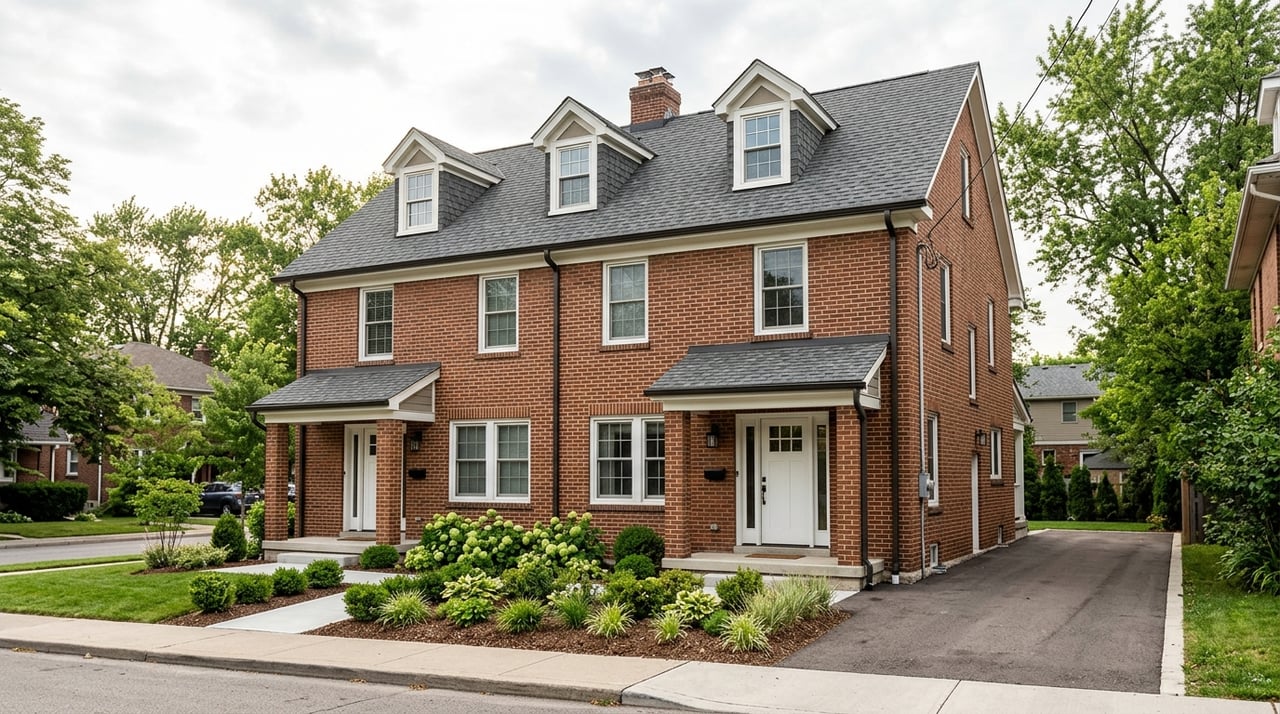
- Space: Nassau generally offers larger lots, more detached homes, and more private outdoor space. Queens is denser, with more apartments, co-ops, and multi-family buildings. This stock difference is a major driver of price patterns on both sides of the county line.
Inventory and timing
Recent MLS reports show constrained inventory during 2024 and 2025 across Long Island and uneven availability in NYC neighborhoods, which supported prices in both Nassau and Queens. If you plan to buy or sell soon, track monthly updates so you can move when a good option appears. For current context, check the OneKey MLS market statistics and the LIBOR consumer market updates.
How to choose with confidence
Use this simple framework to make a confident call:
- Define your must-haves: beds, baths, parking, yard, and building type.
- Map your commute: door-to-door, not just station-to-station.
- Compare total monthly costs: mortgage plus taxes, insurance, and building fees.
- Review active and pending comps: get a neighborhood-level CMA and days-on-market trend.
- Walk the blocks: visit at different times of day to understand daily rhythms and your personal fit.
A quick note on “Nassau” in Rensselaer County
If you meant the small Town or Village of Nassau in Rensselaer County near Albany, that is a different market from Nassau County on Long Island. Typical home values there are far lower, often in the low to mid $200,000s for that town. For local assessment information, see the Village of Nassau assessment page. For a general community overview, check the Nassau, Rensselaer County profile. If that is your target, ask for data specific to Rensselaer County and Capital Region comparables.
Ready to compare homes side by side?
Whether you are trading a Queens co-op for a Nassau yard or moving closer to a subway line, you deserve clear, local guidance grounded in real numbers. If you want a customized price and monthly-cost comparison for your exact budget and commute, reach out to Jennifer Scala to schedule a free consultation.
FAQs
Will my budget go further in Nassau or Queens?
- If you want detached space and a yard, Nassau often delivers more square footage per dollar. If you want a shorter commute and prefer apartment living with shared maintenance, Queens can be a better fit. Taxes and monthly fees usually decide the winner.
Are Queens co-ops always cheaper than condos?
- Co-ops often have lower purchase prices, but monthly maintenance includes building expenses and taxes. Condos have separate taxes and common charges. Compare the total monthly number, not just the price.
How do property taxes really compare between Nassau and Queens?
- Nassau homeowners typically pay higher tax bills in absolute dollars. NYC uses tax classes and assessed values that work differently from Nassau. Review the NYC Department of Finance rates and ask for a property-specific estimate before you buy.
Which market is easier to sell in right now?
- It depends on the neighborhood and price tier. Properly priced single-family homes in Nassau and well-presented condos in Queens have sold quickly during recent low-inventory periods. Local MLS days-on-market trends are the best guide.
What commute differences should I expect?
- Many Queens neighborhoods offer subway access and shorter door-to-Midtown times. Nassau relies on the LIRR or driving, with travel times varying by line and station. Factor in transfers, parking, and schedule frequency when you compare.