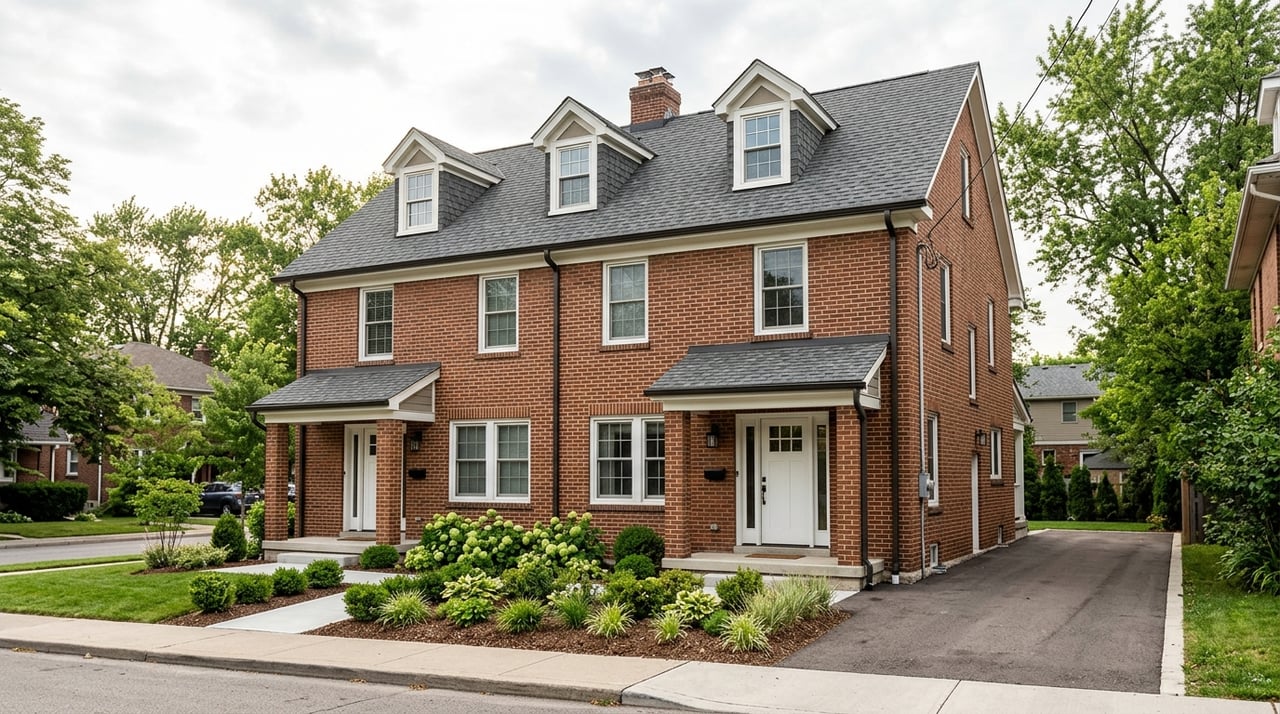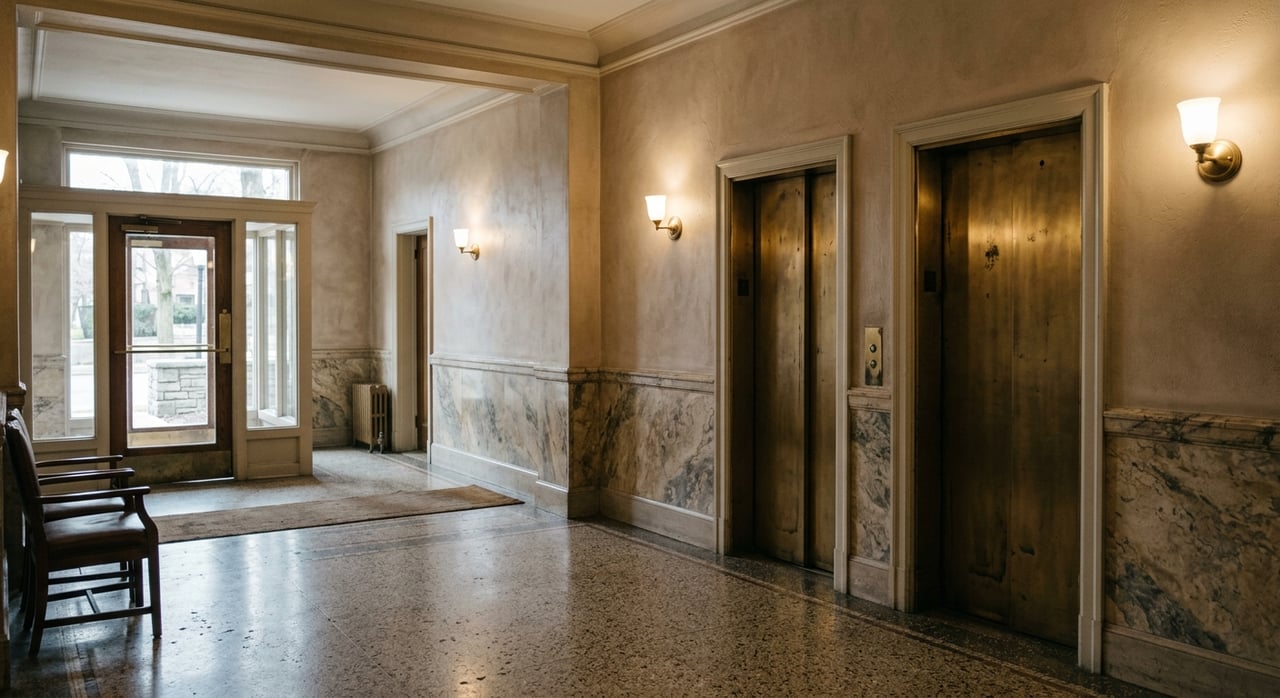
If you are thinking about buying a co-op in Queens, you are not alone, and you are smart to do your homework first. Co-ops can offer an accessible path to homeownership in New York City, but they come with rules, paperwork, and financial standards that can surprise first-time buyers. When you understand how the process works before you start touring listings, you can avoid costly delays and focus on homes that truly fit your goals. Let’s dive in.
How a Queens co-op works
When you buy a co-op, you are not buying a deed to the apartment itself. Instead, you are buying shares in a corporation, and those shares give you the right to occupy a specific unit through a proprietary lease, as explained by the New York State Attorney General.
This structure affects almost every part of the transaction. Your monthly maintenance payment usually covers building operating costs, property taxes, and sometimes the building’s underlying mortgage. It also means the co-op board and the building’s governing documents have a major role in what owners can and cannot do.
That is why co-op purchases in Queens often feel more application-heavy than condo purchases. According to the Attorney General’s co-op and condo guidance, buyers should review the offering plan, financial reports, and board minutes carefully before signing.
Why the documents matter
A co-op’s documents can tell you much more than a listing ever will. They may show planned repairs, pending assessments, recurring building issues, or restrictions that could affect your day-to-day ownership.
Before you move forward, pay close attention to the proprietary lease, bylaws, house rules, financial statements, and board minutes. These records can help you understand the building’s financial health and whether there are any upcoming costs or rules that change the value of the purchase for you.
Watch for HDFC and restricted co-ops
In Queens, not every co-op follows the same playbook. Some buildings are HDFC co-ops or have other restrictions, and the NYC Department of Housing Preservation and Development notes that these properties can include income caps, resale limits, owner-occupancy rules, subletting restrictions, and flip taxes.
If you are looking at one of these properties, do not assume the listing tells the whole story. The governing documents are where many of those restrictions live, so reviewing them early is essential.
What to budget before you buy
One of the biggest surprises for Queens buyers is that co-ops often require more cash upfront than condos. Market guidance for New York City commonly puts co-op down payments in the 20% to 25% range, while some buildings may require 50% or more, or may not allow financing at all, according to Brick Underground’s co-op buyer guide.
Just as important, boards often look beyond the down payment. They may want to see that you will still have substantial cash reserves after closing.
Post-closing liquidity matters
In many NYC co-ops, buyers are expected to show one to two years of mortgage and maintenance payments left in reserve after closing. StreetEasy’s board rejection guidance notes that some boards may also request escrow reserves or added financial documentation if the application feels borderline.
That means your budget should include more than the purchase price, down payment, and monthly payment. You should also plan around the liquidity standards of the specific building you want to buy.
Queens co-op closing costs to expect
Beyond your down payment, you should be ready for New York City-specific closing charges. The NYC Department of Finance states that the city’s Real Property Transfer Tax applies to transfers of cooperative housing stock shares, and mortgage recording tax can also apply when a co-op mortgage is recorded.
Those charges can affect your true cash-to-close number. If you are building a budget, it helps to account for these costs upfront so you are not caught off guard later.
Help for eligible first-time buyers
If you are a first-time buyer and meet income and program requirements, there may be support available. The HomeFirst Down Payment Assistance Program term sheet states that eligible buyers can use the program for cooperatives, with assistance for down payment and closing costs equal to the lesser of 20% of the purchase price or $100,000.
The program also requires at least 3% of the purchase price to come from your own funds and use of an HPD-approved participating lender. For some Queens buyers, that can make a meaningful difference in getting started.
What goes into a co-op board package
The board package is one of the most important parts of a Queens co-op purchase. It is not a simple form. It is usually a detailed file that shows the board who you are financially and whether you meet the building’s requirements.
According to StreetEasy’s board package best practices, common requirements include signed tax returns, W-2s, pay stubs, proof of employment, account statements, reference letters, and financing documents such as a loan application and commitment letter.
Think of the package in two parts
The easiest way to think about the board package is this: it is both a financial exam and a document review. Your side of the package shows your income, assets, debts, and reserves. The building side of the review tells you whether the co-op itself has rules or financial conditions that may affect your ownership.
The Attorney General’s guidance recommends reviewing key records such as the offering plan, board minutes, and recent financial reports. A clean, complete package can help move things along, but the building documents are just as important.
Why preparation helps before you tour too much
It is easy to get attached to a listing before you know whether its co-op requirements match your finances. That is why it helps to understand likely down payment needs, reserve expectations, and documentation standards before you get too far into the search.
A process-driven approach can save you time and stress. If you know what buildings are likely to require, you can focus on realistic opportunities from the start.
How long a Queens co-op purchase can take
Co-op purchases usually take longer than many first-time buyers expect. A common NYC timeline is about 60 days from accepted offer to closing, with roughly 2 to 4 weeks for board review and another 7 to 14 days from board approval to closing, based on Brick Underground’s NYC closing timeline.
Still, every building is different. The board’s meeting schedule, the lender’s pace, and the completeness of your package can all affect timing.
Contract deadlines can move fast
The timeline gets even more important once you are in contract. Nolo’s guide to New York co-op purchase contracts explains that buyers often have 3 business days after receiving a mortgage commitment to submit the board package, or 10 business days in an all-cash transaction.
That is not much time if you are still gathering paperwork. Getting organized early can make the contract phase much smoother.
New NYC board timing rules
There is also a major upcoming change buyers should know about. Under NYC Local Law 2026/058, most co-ops will be required to keep an application and transfer-requirements list, acknowledge receipt of an application within 15 days, and issue a decision within 45 days after the application is complete or deemed complete.
The law takes effect July 28, 2026, and includes some exceptions, including certain HDFC co-ops and smaller buildings. Even before that effective date, it is still wise to ask for the building’s transfer requirements as early as possible.
Questions to ask before making an offer
Before you fall in love with a co-op listing in Queens, ask a few practical questions. These answers can help you avoid surprises and narrow your search to buildings that fit your finances and timeline.
Ask about lender and building eligibility
Start with financing. Fannie Mae’s project eligibility guidance makes clear that lenders review the co-op project itself, not just your personal credit profile.
Ask your lender whether the building is eligible under the lender’s co-op program and whether there are any project-level issues. This can save time before you spend money on inspections, legal review, and application fees.
Ask for transfer requirements early
Ask for the building’s full transfer requirements as soon as possible. That includes what is needed for a complete board package, when the board meets, and what commonly delays approval.
This is one of the simplest ways to bring more clarity to the process. The sooner you know the rules, the easier it is to plan.
Ask about fees, assessments, and restrictions
You should also ask:
- How much post-closing liquidity does the board typically expect?
- Is there a flip tax or transfer fee?
- Are there any current or planned assessments?
- What are the sublet rules?
- Are there resale restrictions?
These questions matter in any co-op, but they are especially important in HDFC and other restricted buildings, where extra limits may not be obvious from the listing.
Ask about the co-op and condo tax abatement
Some Queens co-op buyers may also want to ask whether the development files for the city’s co-op and condo tax abatement. The NYC Department of Finance says the application is filed by the board or an authorized agent for the development, the unit generally must be your primary residence, and the annual deadline is February 15.
That is not something every buyer thinks to ask, but it can be useful context when you are evaluating ownership costs.
Ask your attorney about fair housing protections
Your attorney can also help you understand your rights during the process. The NYC Fair Housing guidance states that co-op and condo board members are covered by the NYC Human Rights Law.
Knowing the process is important, but knowing your protections matters too. It is one more reason to build your team carefully before you begin.
Start with a clear plan
Buying a co-op in Queens can absolutely be the right move, but it usually rewards preparation. If you understand the building structure, budget for the real cash requirements, review documents carefully, and ask the right questions early, you can move through the process with far more confidence.
That kind of preparation is where strong guidance makes a difference. If you are thinking about buying a co-op in Queens and want a clear, numbers-driven plan from the start, Jennifer Scala can help you evaluate listings, understand the process, and move forward with confidence.
FAQs
What does buying a co-op in Queens mean legally?
- You are generally buying shares in a corporation that are tied to a specific apartment through a proprietary lease, rather than receiving a deed to the unit itself.
How much money do you need to buy a co-op in Queens?
- Many NYC co-ops commonly require a 20% to 25% down payment, though some buildings require more, and boards may also want to see significant cash reserves after closing.
What documents are needed for a Queens co-op board package?
- Common items include tax returns, W-2s, pay stubs, proof of employment, bank and investment statements, reference letters, and mortgage documents if you are financing.
How long does it take to buy a co-op in Queens?
- A common NYC timeline is about 60 days from accepted offer to closing, but timing can vary based on the lender, the board’s review process, and how quickly your package is completed.
What should you ask before offering on a Queens co-op?
- Ask about financing eligibility, post-closing liquidity requirements, transfer fees, flip taxes, assessments, sublet rules, resale restrictions, and the building’s full board package requirements.