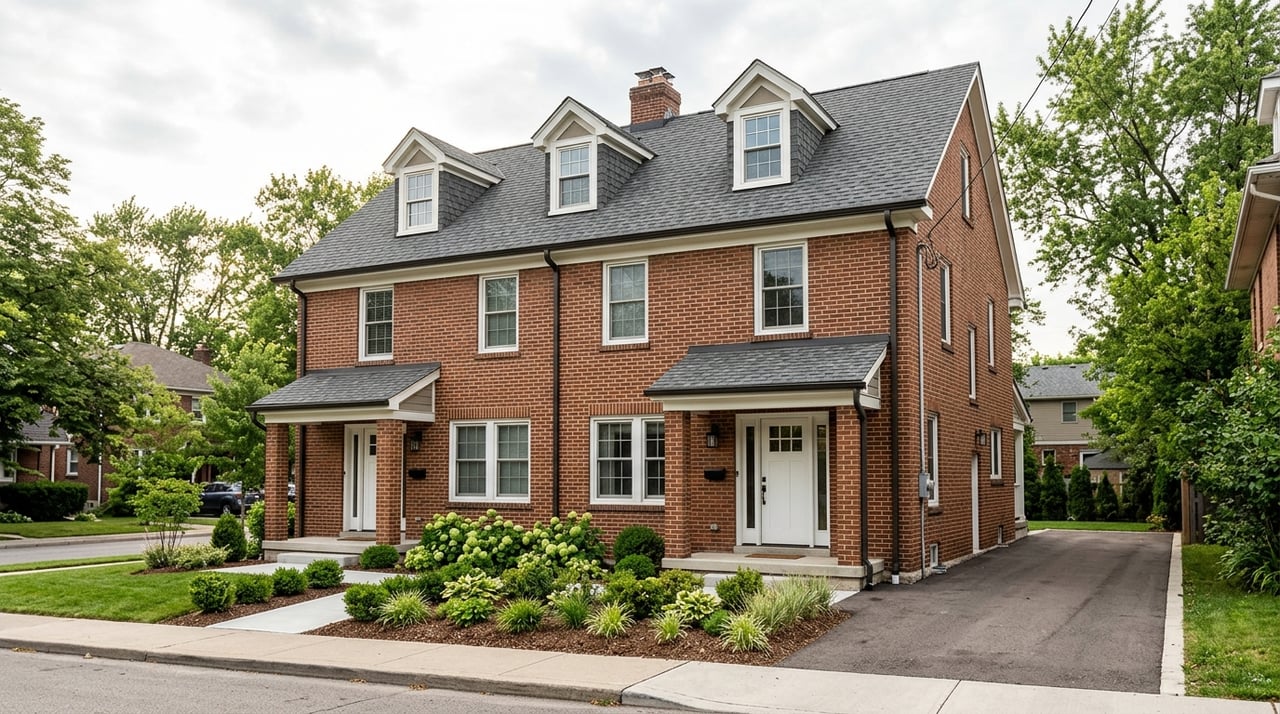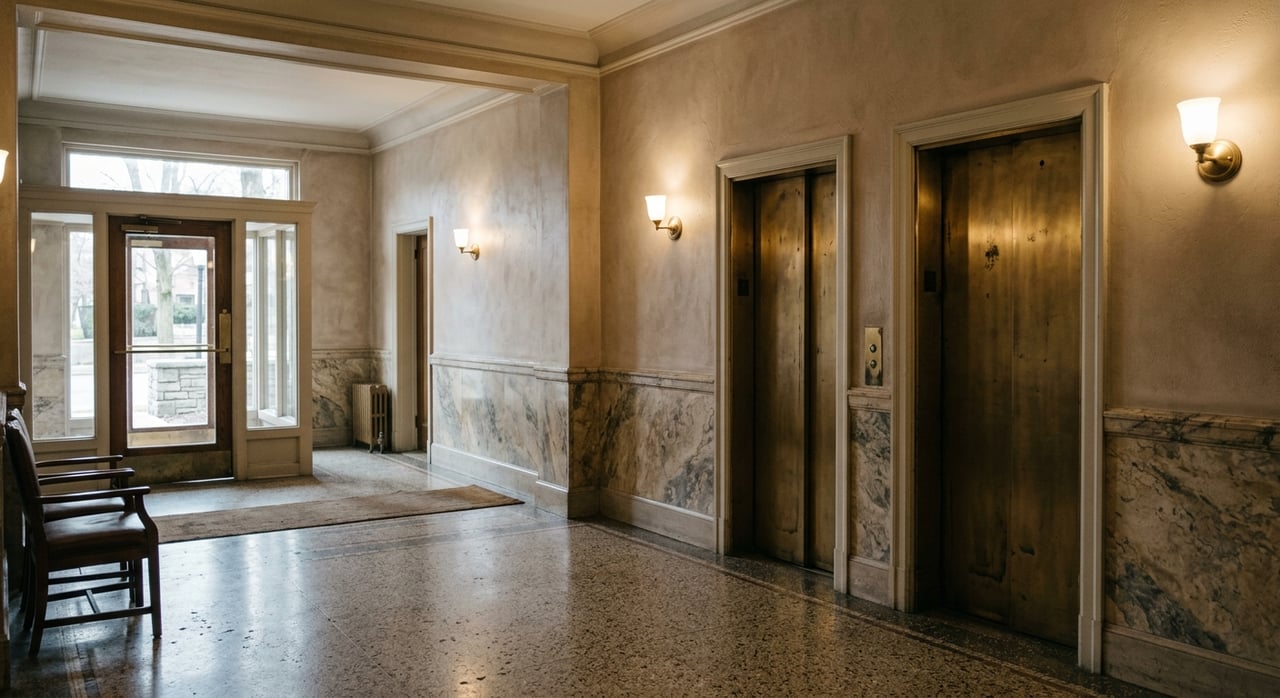
Thinking about selling your Queens home but not sure where to start? You are not alone. Queens is a diverse market with co-ops, condos, single-family, and two-family homes, and each one follows its own timeline and pricing pattern. This step-by-step checklist walks you through what to do, when to do it, and how to estimate your bottom line so you can move with confidence. Let’s dive in.
Know your Queens market today
Before you pick a price or a list date, ground your plan in current data. Recent third-party snapshots place the Queens median sale price around $785,000 as of early 2026, but trends vary by neighborhood, building type, and condition. Micro-markets can diverge, and 1–3 family homes often move differently than co-ops and condos. For context on neighborhood variation, review the borough’s performance in the latest Elliman and Miller Samuel research on Queens micro-markets and product types in the Douglas Elliman Queens report.
You will get the best price guidance by pairing public snapshots with building-specific comparable sales. Check fresh stats on major real estate portals and ask your listing agent for same-building or same-block comps and days-on-market trends before you finalize pricing.
0–6 weeks: Get market-ready
A polished listing sells faster and can attract stronger offers. Focus on steps that change how buyers feel when they first see your home online and in person.
Declutter, documents, and deep clean (days 0–7)
- Remove excess furniture and personal items so rooms feel larger and buyers can focus on the space.
- Deep clean kitchens and baths, touch up paint, and brighten lighting.
- Gather key records: prior closing statement, tax bills, any survey, appliance manuals, and for condos/co-ops, financials or offering plan if you have them.
High-impact repairs and permits (weeks 1–4+)
- Prioritize visible items that show in photos: paint, grout, flooring issues, and dated fixtures.
- If a repair needs a permit under NYC Department of Buildings rules, build in extra time. Larger renovations can take longer to approve and complete.
- Consider a pre-listing inspection to surface issues early. You can decide what to fix and what to disclose to reduce renegotiation risk.
Stage and shoot like a pro (weeks 1–3)
- Staging helps buyers picture themselves living in your home. Industry research shows staged homes commonly sell faster and often capture modest price premiums. Focus on the living room, kitchen, and primary bedroom for the biggest impact. See the summary of results in the Home Staging Institute’s statistics.
- Schedule professional photos and a floor plan after staging is complete. Expect one day for the shoot and 2–3 days for edited images. 3D tours are increasingly standard in NYC.
- Ballpark budgets: staging $1,500–$6,000, photography $150–$500, and minor repairs $500–$5,000, depending on size and scope.
List smart: pricing and net proceeds
Build a data-informed list price
Use recent closed sales from the same building or block and the same property type. Adjust for condition, size, floor, outdoor space, and recency. Watch days-on-market trends and price brackets that generate the most activity. Your agent’s MLS-backed comps will be the most reliable for pinpointing the sweet spot.
Understand commissions and closing costs
- Commission practices are negotiable. Historically, combined buyer and listing agent commissions averaged about 5 to 5.5 percent, and many NYC sellers still plan in the 4 to 6 percent range. See recent context in Forbes’ commission trends overview.
- New York State transfer tax is 0.4 percent of the sale price. The separate state “mansion tax” of 1 percent typically applies to residential sales at or above $1,000,000 and is commonly paid by the buyer. Review current details with the NYS Department of Taxation and Finance.
- The NYC Real Property Transfer Tax (RPTT) is 1 percent for sales of $500,000 or less and 1.425 percent above $500,000 for most residential transfers. Parties negotiate who pays in the contract. See rates and filing rules at the NYC Department of Finance.
- NYC sellers usually hire an attorney. Typical seller legal fees often fall between $1,500 and $4,000 depending on property type and complexity, according to PropertyClub’s attorney fee guide. Always request an itemized estimate.
Quick net proceeds example
Assume a sale price of $800,000. Your actual numbers will vary.
- Estimated commission at 6 percent: $48,000 (negotiable)
- NY State transfer tax at 0.4 percent: $3,200
- NYC RPTT at 1.425 percent: $11,400
- Estimated attorney/closing fees: $3,000
- Subtotal estimated costs before loan payoff and any building-specific fees: $65,600
- Estimated net before mortgage payoff: $734,400
Use this as a framework. Add your mortgage payoff, any co-op flip tax or assessments, and moving costs to compare offers apples to apples.
Compare and negotiate offers
Look beyond the top-line number. The best offer is the one most likely to close on your timeline with minimal risk.
- Price and deposit amount. Higher deposits often signal commitment.
- Financing details. Pre-approval, loan type, and likely appraisal timeline.
- Dates. Proposed closing date, occupancy needs, and any rent-back request.
- Contingencies. Inspection, financing, and for co-ops, board approval.
- Co-op buyer strength. Financial profile for board approval matters.
Create a simple worksheet with each offer’s price, credits, buyer type, contingencies, and your estimated net proceeds. That way you can make a clean side-by-side decision.
Contract to closing: what to expect
Most NYC transactions involve attorneys on both sides. Once you accept an offer, your attorney will negotiate the contract terms, manage title and payoff logistics, and coordinate closing.
- Condos and townhouses commonly take about 30 to 60 days from contract to closing, depending on the lender and building approvals.
- Co-ops often run 60 to 90 days or longer due to the buyer’s board package review and interview process.
- If your home was built before 1978, you must provide the EPA/HUD lead paint pamphlet and disclose any known records. Buyers receive a 10-day inspection window unless waived. Review the federal requirements in the EPA’s lead disclosure rule.
- If you are a foreign seller, FIRPTA may require withholding at closing. Learn the basics from the IRS FIRPTA guidance.
If you are selling a co-op
- Expect the buyer to submit a board package with financials and references, followed by a managing agent review and board interview.
- Many co-ops have flip taxes or resale fees, often paid by the seller. Check your proprietary lease and bylaws for exact terms.
- Confirm move-out procedures, elevator reservations, and any deposits with the managing agent early so you can plan your timeline.
Required seller disclosures in New York
- New York’s Property Condition Disclosure Act requires most 1–4 family sellers to provide a standardized Property Condition Disclosure Statement before a buyer signs a binding contract. Sellers who do not deliver it can trigger a statutory $500 credit to the buyer at closing. Review the statute text at Justia’s copy of RPL §462. Ask your attorney how this applies to your property type and situation.
Final week and closing day
Your closing checklist
- Confirm final utility reads and provide your forwarding address for tax and utility bills.
- Bring a government-issued ID and deliver all keys, fobs, mail keys, and access cards.
- Your attorney will review the settlement statement showing commissions, transfer taxes, legal fees, payoffs, and your final net proceeds.
Post-closing to-dos
- Confirm your mortgage payoff and keep payoff letters for your records.
- Cancel or transfer utilities and homeowner’s insurance after closing funds disburse.
- Save closing documents for tax reporting and future reference.
Quick seller timeline at a glance
- Decide to sell and plan budget: 2–6 weeks for decluttering, touch-ups, and any permit-driven repairs.
- Prep photos and marketing: final staging and professional photography, typically 3–5 days to go live.
- Active showings: days to weeks, depending on price and market conditions.
- Contract to closing: condos/townhouses about 30–60 days; co-ops about 60–90 days or longer.
- Closing day and after: review settlement, transfer utilities, and store documents.
Ready for a plan tailored to your address, building type, and goals? Let’s map out your timeline, pricing, and marketing so you can sell with confidence. Schedule a free consultation with Jennifer Scala to get your customized seller plan.
FAQs
How long does it take to sell a home in Queens?
- Timelines vary by property type and buyer financing. Condos and townhouses often close about 30–60 days from contract, while co-ops commonly take 60–90 days or more due to board approvals.
What closing costs should a Queens seller expect?
- Common costs include broker commission, the NYS transfer tax at 0.4 percent, possible NYC RPTT at 1 or 1.425 percent, and attorney fees typically in the $1,500–$4,000 range. See current tax details at the NYC Department of Finance and the NYS Department of Taxation and Finance.
Do New York home sellers need to provide disclosures?
- Yes. Most 1–4 family sellers must provide the Property Condition Disclosure Statement before a buyer signs a binding contract, or the buyer may receive a $500 credit at closing. Review the statute at Justia’s RPL §462 page.
What is different about selling a co-op in Queens?
- Co-ops involve a buyer board package, managing agent review, a board interview, and often building-specific fees such as a flip tax. Expect a longer contract-to-closing timeline than most condos.
Are staging and professional photos worth it when selling?
- Often, yes. Staged homes typically sell faster and can capture modest price premiums, especially when you focus on high-impact rooms. For a research summary, see the Home Staging Institute’s statistics.