Trying to picture daily life in Queens with a stroller in one hand and a MetroCard in the other? You want space to grow, parks you can actually use, and a commute that does not swallow your week. You will find all of that in Queens, but the experience shifts a lot from one neighborhood to the next. In this guide, you will see how housing, schools, parks, commuting, and services come together so you can decide if Queens fits your next chapter. Let’s dive in.
How Queens fits family life
Queens is large and diverse, which means you can choose from dense, transit-rich blocks or quieter, suburban-style streets. You will see everything from high-rise condos to single-family homes with driveways. Many families trade a little convenience for more space, or they pay a premium to stay near the subway. Your daily routine will depend on which trade-offs matter most to you.
Housing options and trade-offs
Queens gives you real choice in how you live. Here are common options and how they affect day-to-day family life:
- High-rise or mid-rise condos and co-ops. You see these in Long Island City, Astoria, Jackson Heights, Sunnyside, and Flushing. You will likely have strong walkability and easy transit, plus building amenities in newer towers. Private outdoor space is limited, so nearby parks matter.
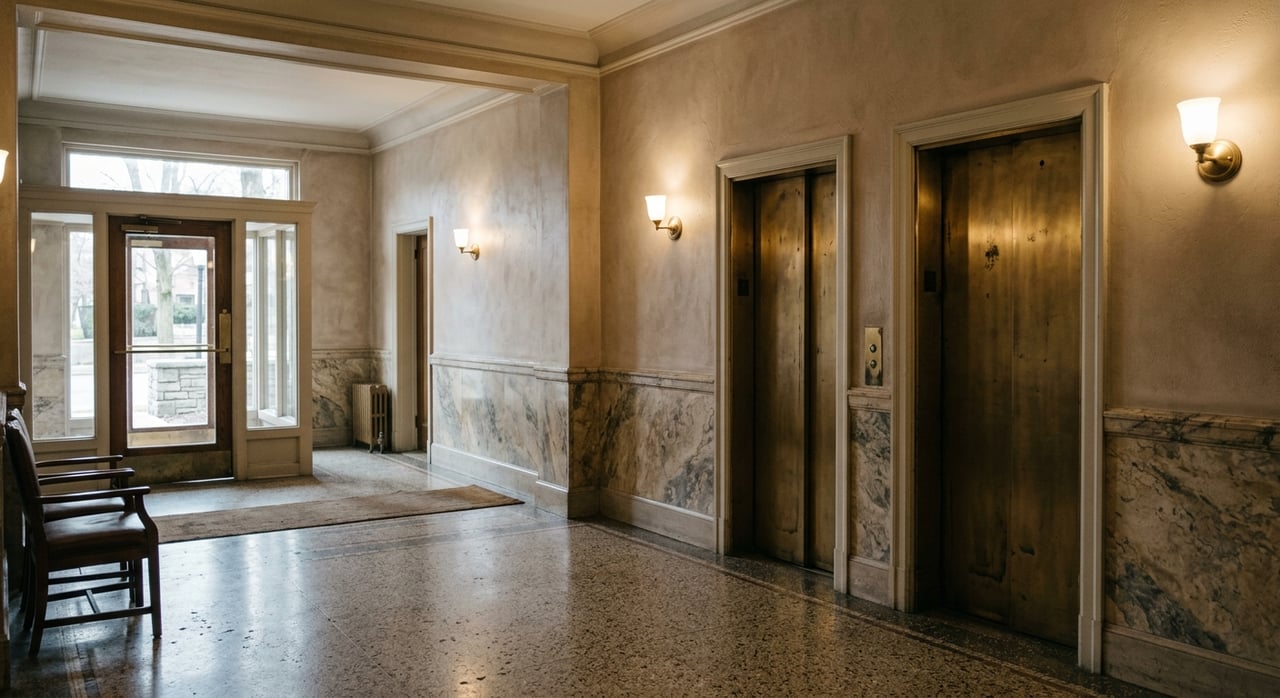
- Prewar garden apartments and walk-ups. In Jackson Heights, Sunnyside, and Woodside, these buildings often have larger floor plans and shared courtyards. They are popular with families who prioritize apartment space and community vibes.
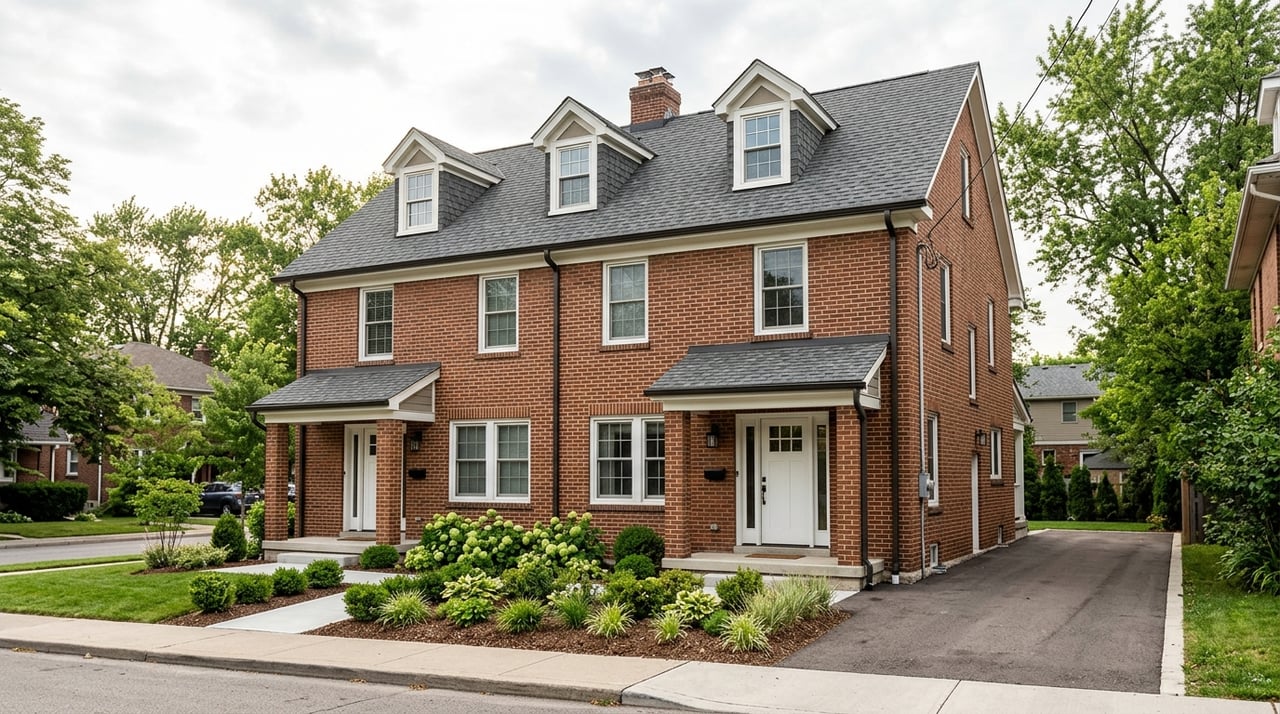
- Rowhouses and attached homes. In Ridgewood and parts of Astoria and Sunnyside, you may get more rooms and small yards. You will handle your own maintenance, but you also gain storage and flexibility.
- Detached single-family homes. In Bayside, Douglaston–Little Neck, Whitestone, and Jamaica Estates, you can find yards, driveways, and more privacy. You may rely on a car more, and commutes can vary depending on LIRR and bus access.
- Historic communities. Forest Hills and Forest Hills Gardens offer a mix of houses and co-ops with distinctive streetscapes and access to green space.
Ownership structure matters. Co-ops and condos are common, and each has different rules around financing, subletting, renovations, and approvals. If you value flexibility, review building policies before you fall in love with an apartment. If you prefer a yard and full control, a house in eastern Queens may fit better, but add taxes, insurance, and upkeep to your budget.
Neighborhood snapshots to compare
Use these highlights to frame your search. Each area offers a different balance of space, transit, and amenities.
- Forest Hills. Mix of single-family homes and co-ops, access to Forest Park, and a traditional Main Street feel. Transit options include subway and LIRR.
- Bayside / Little Neck / Whitestone. Suburban character with many detached homes and driveways. LIRR access from Bayside supports a commuter lifestyle.
- Astoria / Long Island City. Transit-rich and full of dining and culture. Newer condo towers often include playrooms, gyms, and roof decks. You will rely on nearby parks for outdoor time.
- Jackson Heights / Elmhurst / Corona. Dense and highly diverse, with many multi-bedroom apartments and strong community networks. Local retailers and markets make daily errands easy.
- Flushing. A major commercial center with cultural amenities and medical services. Surrounding neighborhoods offer a range of condos and single-family homes.
- The Rockaways. Beach living and seasonal activities. Commutes to Manhattan are longer for many, but the beach lifestyle is a major draw.
Schools and childcare basics
Public school options in Queens depend on your home address for zoned elementary schools. Middle and high school choices vary by district and application process. Citywide programs and charter options are available in many neighborhoods. If public school access is a priority, confirm zones and admissions timelines before you sign a lease or purchase.
New York City offers universal Pre-K for 4-year-olds and 3-K in many neighborhoods. Families apply through the city’s portal and placement can influence where you choose to live. Private and parochial schools are also available across Queens with a wide range of tuition levels.
Childcare is widely available, but some centers have waitlists. Many families pair Pre-K with after-school programs or use full-day daycare until they secure a public Pre-K seat. Libraries often support early literacy and family programming, which can help bridge care gaps.
Parks, beaches, and weekends outside
Outdoor space is a major strength in Queens. You will find:
- Flushing Meadows–Corona Park. One of the city’s largest parks with playgrounds, ballfields, the Queens Museum, and tennis facilities.
- Forest Park. Trails, playgrounds, and wooded areas in central Queens, great for low-cost weekend outings.
- Alley Pond Park. Expansive natural areas and an adventure course with seasonal programs.
- Kissena, Cunningham, and Crocheron parks. Neighborhood parks with sports fields, lawns, and playgrounds.
- Queens Botanical Garden and Socrates Sculpture Park. Family-friendly programming and easy, stroller-friendly paths.
- Rockaway Beach. Summer beach days, boardwalk strolls, and a growing year-round community vibe.
If your home does not have a yard, living near a playground or large park can make a big difference in your weekly routine.
Healthcare and daily services
You will find major hospitals and clinics across Queens, including facilities in Flushing, Astoria, Jamaica, and Elmhurst. Pediatricians and urgent care centers are common in most neighborhoods. If you need specialty pediatric care, some services may be concentrated in Manhattan, so consider transit options for follow-up visits.
Grocery choices range from large supermarkets to specialty markets and bodegas. Food access and pricing vary by neighborhood. Many areas host weekend farmers’ markets and cultural festivals that make errands feel like an outing.
Getting around with kids
Queens is served by multiple subway lines, a wide bus network, the LIRR, and ferry routes in specific waterfront areas. Your commute and school drop-offs will feel very different depending on where you live.
- Subway. Neighborhoods near Manhattan, like Long Island City, Astoria, Sunnyside, and Jackson Heights, tend to have shorter rides to Midtown. If stroller use is part of your daily life, check whether nearby stations have elevators.
- LIRR. Popular in Bayside, Douglaston, Forest Hills, and Jamaica. This can save time if you work near a terminal served by the railroad.
- Buses and ferries. Buses fill transit gaps and connect to subways and LIRR. Ferry routes serve Astoria and the Rockaways with varying schedules.
- Driving. Many families keep a car, especially in eastern and southeastern Queens. Street parking can be tight in dense areas. If a driveway is essential, focus your search in neighborhoods with more single-family homes.
- Biking and walking. Some waterfront corridors have bike lanes and paths. Interior bike networks vary, so evaluate routes you would use for school, parks, and grocery runs.
Safety, costs, and realistic trade-offs
Safety conditions vary at the precinct and block level. Many families evaluate safety by walking school corridors, visiting playgrounds at different times, and reviewing official crime data. Traffic calming, lighting, and crosswalk quality often factor into the decision.
Costs vary widely by neighborhood and housing type. Your largest expenses will likely be housing and childcare. Owners should include taxes, insurance, maintenance or common charges, and utilities. Renters should plan for security deposits, possible broker fees, and renter’s insurance.
Most families accept a trade-off somewhere. You may get more square footage and a yard in eastern Queens but spend more time commuting. Or you may pick a smaller apartment near a park and enjoy faster commutes and lower transportation costs.
How to choose your Queens neighborhood
Use this quick checklist to narrow your search:
- School access. Confirm zoned elementary options, 3-K/Pre-K availability, and after-school programs near your address.
- Green space. Identify your closest playgrounds and larger parks. Visit at the times you would use them.
- Commute plan. Map your route to work and daycare or school. Check elevator access if you rely on a stroller.
- Healthcare. Note nearby pediatricians, urgent care, and hospital options.
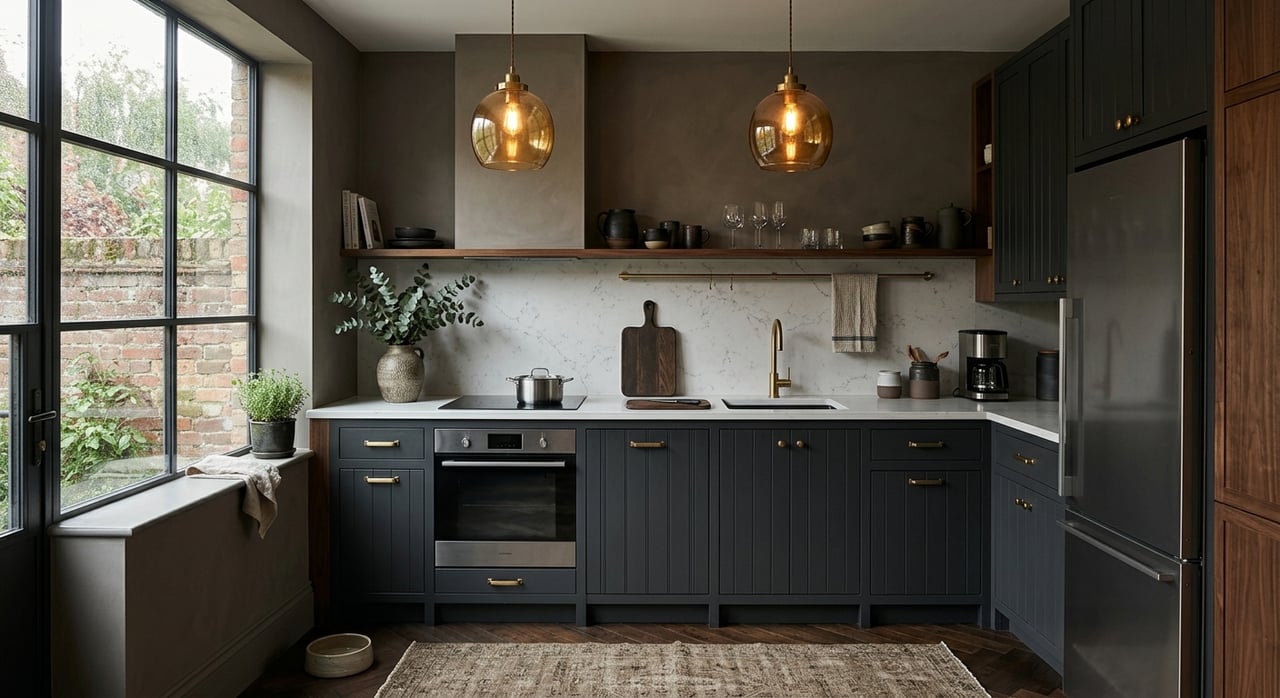
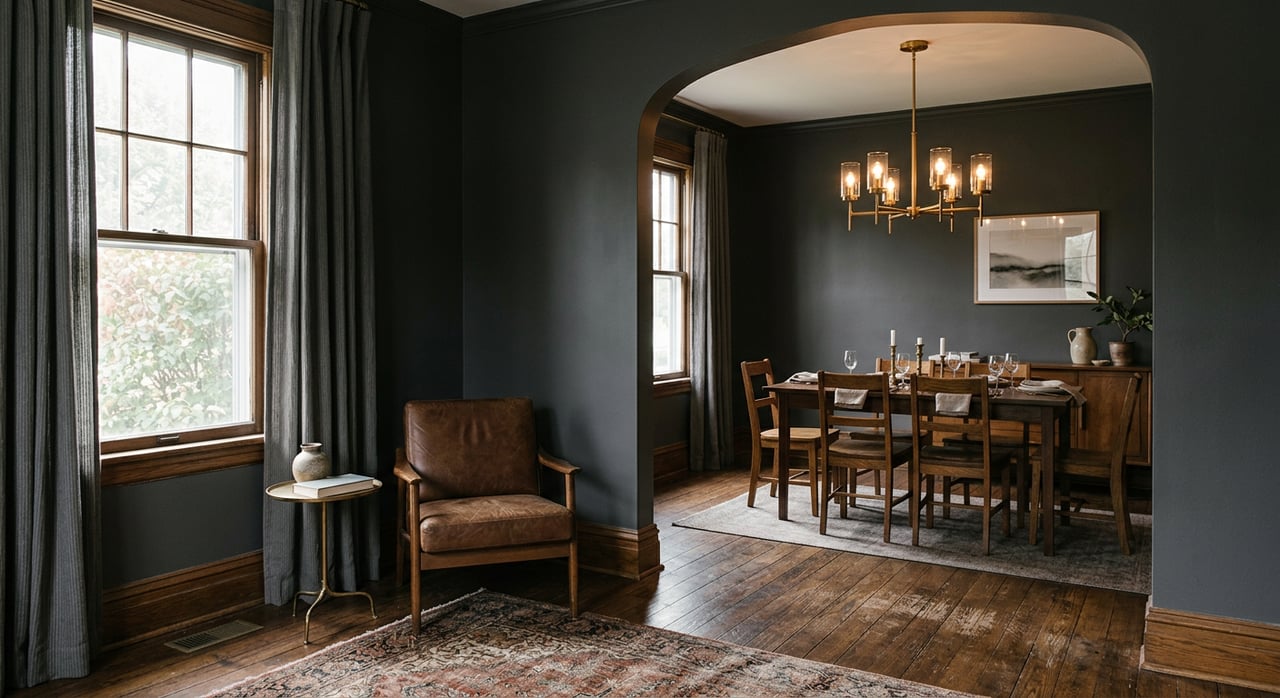
- Housing fit. Define your must-haves: number of bedrooms, storage, laundry, outdoor space, parking or driveway, and renovation tolerance.
- Car reality. If you own a car, test parking on weeknights. Review alternate-side rules and consider a driveway if you want a predictable routine.
- Community life. Look for libraries, community centers, family programs, and cultural organizations that match your lifestyle.
Action steps to get started
- Set your budget with room for childcare, maintenance or common charges, and insurance.
- Decide on your top two priorities. For example, faster commute and playground access, or more space and a driveway.
- Shortlist three neighborhoods that align with those priorities. Visit on a weekday morning and weekend afternoon.
- Walk the school route, grocery run, and park path you would use most.
- If you plan to buy a co-op or condo, review building rules early so you know what is possible for financing, subletting, and renovations.
- If a house is your goal, get clear on taxes, utilities, and any planned upgrades so you can plan your timeline and budget.
A local partner for your move
Choosing between a condo near the train and a house with a yard is not simple, and neither is navigating co-op boards, inspections, or school timelines. You deserve a local, detail-oriented guide who treats your move like family. If you want clear next steps and a thoughtful plan for touring Queens neighborhoods that fit your budget and goals, connect with Jennifer Scala to schedule a free consultation.
FAQs
How does public school zoning work in Queens?
- Your zoned elementary school is based on your home address. Middle and high school involve district choices and applications. Review official DOE tools and timelines before you decide on a neighborhood.
What should I know about co-ops vs. condos in Queens?
- Co-ops often have board approvals and rules on financing, subletting, and renovations. Condos usually allow more flexibility but can come with higher prices per square foot. Review building policies early to avoid surprises.
Is it realistic to own a house in Queens and still commute to Manhattan?
- Yes, if you plan around transit. Eastern neighborhoods often rely on LIRR and buses, while areas closer to Manhattan lean on the subway. Expect to trade some commute time for more space and a yard.
Which Queens neighborhoods offer the most outdoor access for kids?
- Many areas are near parks, but the experience varies. Families often choose homes near Flushing Meadows–Corona Park, Forest Park, Alley Pond Park, or neighborhood parks like Kissena, Cunningham, and Crocheron. The Rockaways add beach access.
How stroller-friendly is the subway in Queens?
- Elevator access varies by station. If a stroller is part of your routine, check the stations you will use for work, daycare, and parks, and build that into your neighborhood selection.
Do I need a car to live in Queens with kids?
- It depends on the neighborhood and your routine. Transit-rich areas can support car-free living. In more suburban pockets, a car can simplify grocery runs, activities, and multi-stop days. If you keep a car, study local parking and alternate-side rules.