Wondering how a Cape, a Colonial, or a Ranch will actually live day to day in Nassau, Rensselaer County? If you are comparing layouts, storage, and what it takes to renovate in a cold, snowy climate, you are not alone. Choosing the right style can save you time, money, and stress over the years. This guide breaks down the essentials, from typical floor plans to realistic upgrade paths that fit Nassau’s homes and weather. Let’s dive in.
Nassau context at a glance
Nassau sits in upstate New York’s humid continental climate, so you should expect cold, snowy winters and warm summers. Roof pitch, insulation, and ice-dam prevention matter, and a mudroom can be a daily lifesaver. Many properties have modest-to-large lots with a small-town or semi-rural feel.
Basements are common and often house mechanicals and storage. On more rural parcels, private wells and septic systems are typical, so verify capacity and permit history. Heating systems vary, including forced air, hot-water radiators, electric baseboard, and wood stoves in some older homes.
Cape Cod homes
What defines a Cape
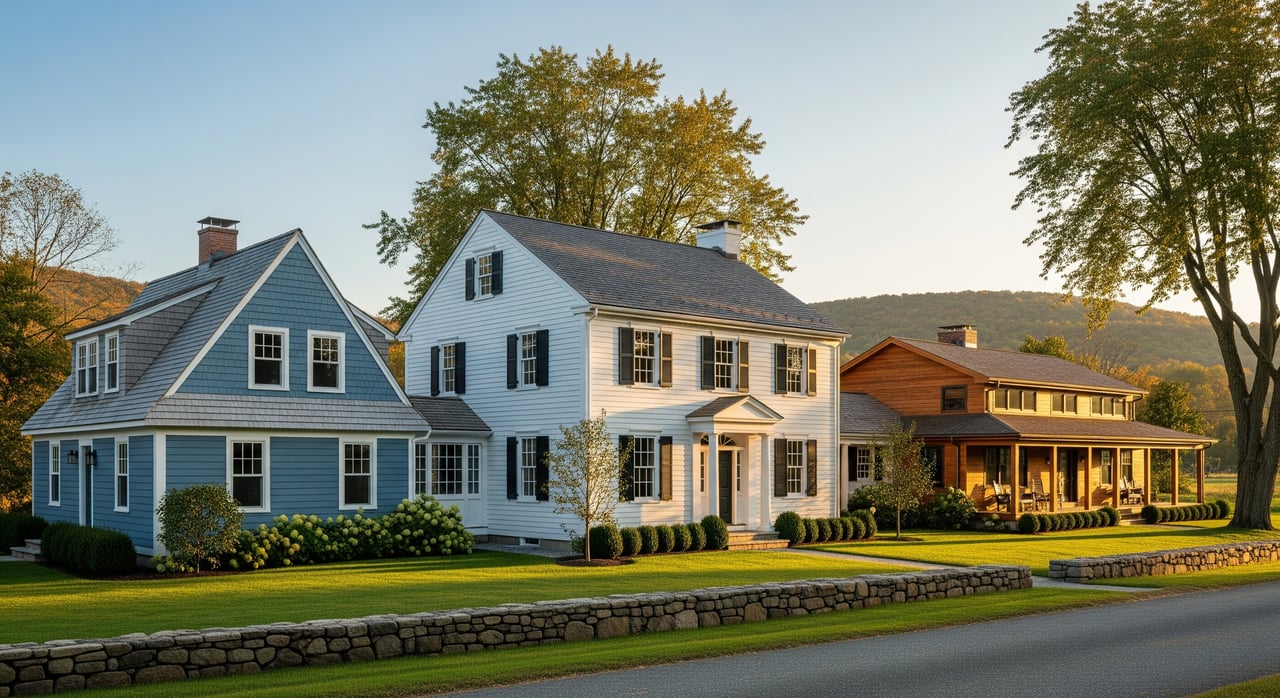
Capes are low, symmetrical, and simple in footprint. Many have steep gabled roofs with dormers on 1.5-story versions. You will often see 2 to 3 bedrooms with main living on the first floor and bedrooms tucked under the eaves upstairs.
Everyday living and flow
Original Capes tend to have separate rooms, though some have been opened up for better sightlines between the kitchen and living areas. The upstairs half-story is cozy, but sloped ceilings reduce full-height space. Proximity between rooms is convenient for daily routines.
Storage to expect
Older Capes often have limited closet space, especially upstairs. Knee-wall areas and attic nooks can help, but they may need insulation upgrades. If present, the basement is usually the main storage and mechanical zone.
Typical issues to watch
Dormers and roof-to-wall flashings can be leak points if not maintained. Older insulation in knee walls and attic spaces may be thin for our climate. Plan for air sealing and insulation improvements.
Smart renovation moves
- Add dormers to gain full-height bedrooms or a larger bath.
- Expand to the rear for an open kitchen-dining area or first-floor suite.
- Finish the attic if structure and egress allow.
- Upgrade insulation and windows to improve comfort and heating costs.
Colonial homes
What defines a Colonial
Colonials are two full stories with a symmetrical look and a central hall staircase. You will often get formal living and dining rooms on the first floor and bedrooms upstairs. Ceilings are typically higher than in Capes.
Everyday living and flow
Public spaces are on the first floor and private spaces are upstairs, which helps keep bedrooms quiet. The central staircase organizes traffic and becomes a key architectural element.
Storage to expect
Colonials usually have more closet space than Capes. Attics often offer usable storage with better potential for future conversion. Basements and under-stair areas can support built-ins or utility storage.
Typical issues to watch
Older Colonials may have segmented first floors and dated kitchens. Plumbing or electrical may be older in some properties, and basements can show foundation or drainage issues. Assess upgrades to mechanicals and layout.
Smart renovation moves
- Open up the first floor by removing non-load-bearing walls where feasible.
- Create a second-floor en-suite or convert the attic to a suite if framing allows.
- Add a mudroom or side-rear garage connection to fit cold-weather living.
- Modernize heating and electrical systems when needed.
Ranch homes
What defines a Ranch
Ranches are single-story, long-and-low homes often built mid-century. You will often find an attached garage and easy connection to the yard. Many layouts group bedrooms to one side or split living and bedroom wings.
Everyday living and flow
Single-level living is simple and convenient. It is attractive for anyone who values fewer stairs. Natural light can be strong with the right window and patio door placement.
Storage to expect
Attic space may be limited or accessed by a pull-down ladder. Basements, if present, serve as the main storage and mechanical area. Garages often function as primary storage unless remodeled with built-ins or a mudroom.
Typical issues to watch
Older Ranch kitchens can be small and closets modest. Expanding can require a rear or side addition, or a significant second-story build with structural upgrades.
Smart renovation moves
- Add a rear or side addition to expand the kitchen or create a primary suite.
- Convert part of the garage or add a bump-out for a mudroom or laundry.
- Finish the basement for extra living area if ceiling height and waterproofing are adequate.
- Increase window sizes to boost natural light where structure allows.
Where split-levels fit
Split-levels appear in some mid-century neighborhoods. You enter at a mid-level with short flights to living spaces above and family rooms or garage below. The separation is functional, but there are more stairs.
Common updates focus on opening the kitchen and improving light between levels. As with other styles, assess lower-level moisture and insulation needs in this climate.
Renovation paths that work in Nassau
Add space with less footprint
- Dormers and attic conversions in Capes and Colonials can create full-height rooms and better storage. Confirm framing, insulation, and egress.
- Rear additions or bump-outs work across styles to enlarge kitchens, family rooms, or add first-floor suites.
Go big on a Ranch
- Second-story additions can add major square footage but often cost more than a ground-level addition. Expect structural, stair, and mechanical changes.
Finish or rework lower levels
- Basement finishing can be a cost-effective way to add livable space if ceiling height, waterproofing, and egress are suitable.
- Garage conversions or accessory spaces may be possible depending on zoning, parking, and insulation needs.
Cold-climate energy upgrades
- Prioritize insulation and air sealing, especially in attics, knee walls, and rim joists.
- Evaluate heating systems for efficiency. Cold-climate heat pumps, high-efficiency boilers, or modern furnaces can improve comfort when sized for a tighter envelope.
- Window and door upgrades can help, but weigh them against air sealing and storm-window options.
- Proper roof insulation and ventilation help prevent ice dams and manage snow load.
Permits and local rules
- Structural, electrical, plumbing, or layout changes require permits through the Town of Nassau or Rensselaer County building departments.
- Verify zoning setbacks, lot coverage, and any historic review if applicable.
- Added bedrooms can trigger septic capacity checks. Confirm system size and permits before planning expansions.
What to look for on a tour
Style-specific walkthrough checklist
- Cape Cod
- Check headroom and usable floor area upstairs under the eaves.
- Inspect dormer and roof flashing and look for attic insulation and knee-wall access.
- Evaluate closet space and whether dormers or conversions are needed.
- Colonial
- Review kitchen location and whether walls near the center hall are load bearing.
- Consider stair condition and second-floor layout for an en-suite.
- Assess attic access and roof framing for conversion potential.
- Ranch
- Confirm garage size and whether it is attached for winter convenience.
- Review ceiling height and options for a rear addition or second story.
- Inspect the basement for finishing potential and moisture.
- Split-level
- Note stair frequency and how it fits mobility needs.
- Check lower-level dampness and insulation requirements.
Inspection priorities in this region
- Foundation condition, drainage, and signs of water intrusion.
- Roof age, flashing around chimneys and dormers, and ice-dam control.
- Heating system type, age, and distribution performance.
- Insulation levels and noticeable air leaks.
- Septic and well permits and service history, where applicable.
- Mold, radon, and moisture indicators in basements or lower levels.
- Evidence of unpermitted additions or prior conversions.
Questions to ask the seller or listing agent
- What is the age and service history of the roof, heating system, septic, and well?
- Were permits obtained for any dormers, additions, or major changes?
- Are there known drainage issues or freeze-thaw concerns?
- What are typical winter heating costs?
- Are there any neighborhood or historic design guidelines that affect exterior changes?
Budget and timeline expectations
Project costs vary by scope and finish level. Use regional cost guides as a ballpark and then get multiple bids from Capital Region contractors. Ask for references and examples of similar work.
Expect several weeks for drawings and permits, plus contractor scheduling that can stretch to months. Small projects can take weeks. Larger additions can take several months. Winter exterior work is possible with proper weather protection but can affect the schedule.
If you plan major structural changes, consult an architect or structural professional early. For renovations tied to energy savings, research state incentives that may offset insulation or heat pump upgrades.
Your next steps
- Shortlist homes by style based on how you want to live day to day.
- Use the walkthrough and inspection lists to compare properties.
- Confirm septic and well details on rural parcels before you plan new bedrooms.
- Talk to a lender about renovation-friendly financing like FHA 203(k) or Fannie Mae HomeStyle if you expect to update.
If you want a clear plan from search to closing with practical, numbers-first guidance, reach out to Jennifer Scala for a friendly, no-pressure consultation.
FAQs
What is the key difference between Cape and Colonial layouts in Nassau, NY?
- Colonials separate public spaces downstairs and bedrooms upstairs with two full stories, while Capes often have 1.5 stories with bedrooms tucked under eaves and cozier first-floor rooms.
Are dormer additions on Capes practical for Nassau’s climate?
- Yes, dormers can add full-height space, but plan for proper flashing, insulation, and egress windows, and obtain local permits before construction.
What should I check in a Ranch home’s basement in upstate New York?
- Look for adequate ceiling height, waterproofing, radon considerations, and egress options if you plan to finish it for living space.
How do wells and septic systems affect renovations in Nassau, Rensselaer County?
- Added bedrooms or square footage can trigger septic capacity reviews, so verify system size, permits, and recent service before planning expansions.
Which home style typically suits aging in place in Nassau?
- Ranch homes offer single-level living that minimizes stairs, with expansion options like rear additions or garage conversions for mudrooms and laundry.
How long do common additions or kitchen updates take in the Capital Region?
- Design and permits can take several weeks, with construction timelines from weeks for small projects to months for large additions, depending on scope and season.