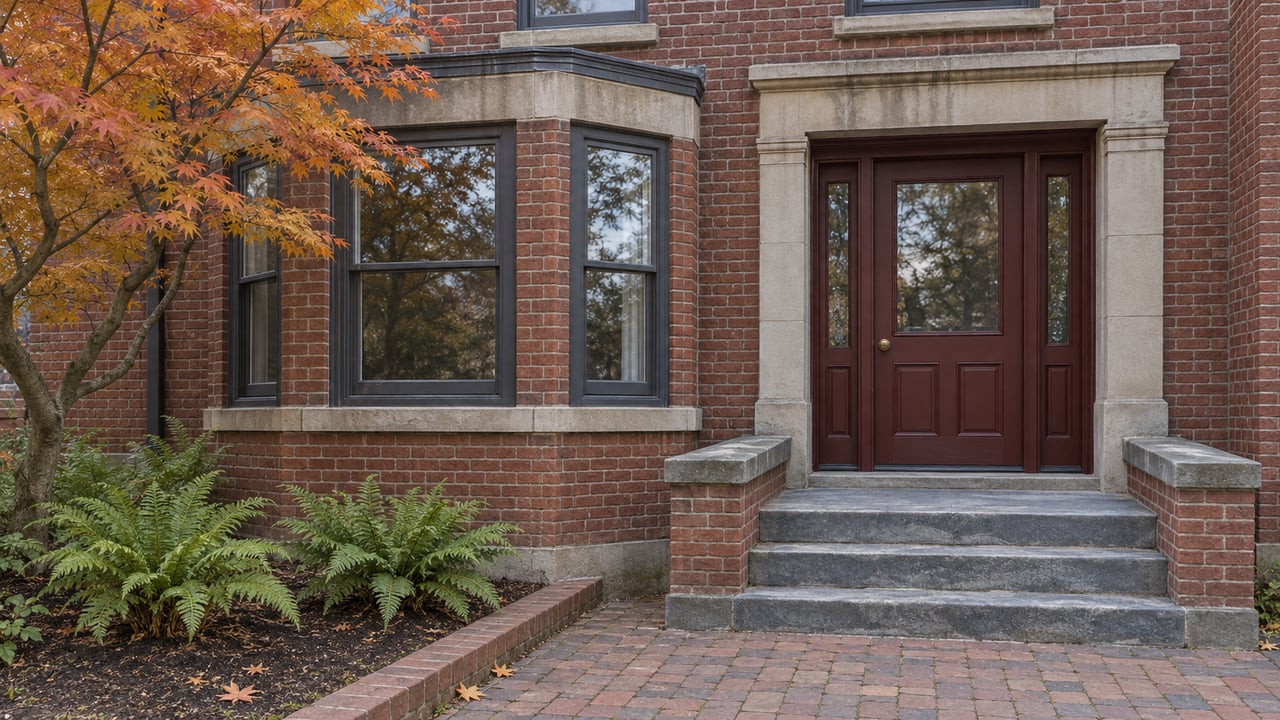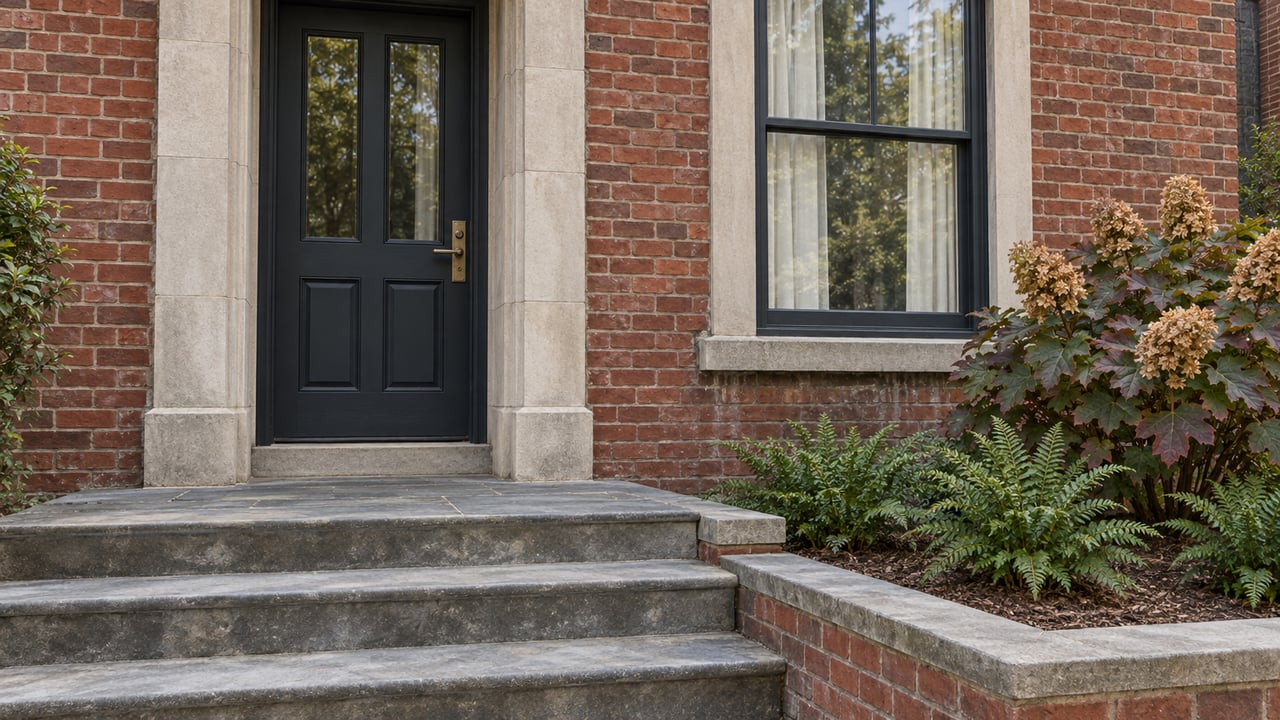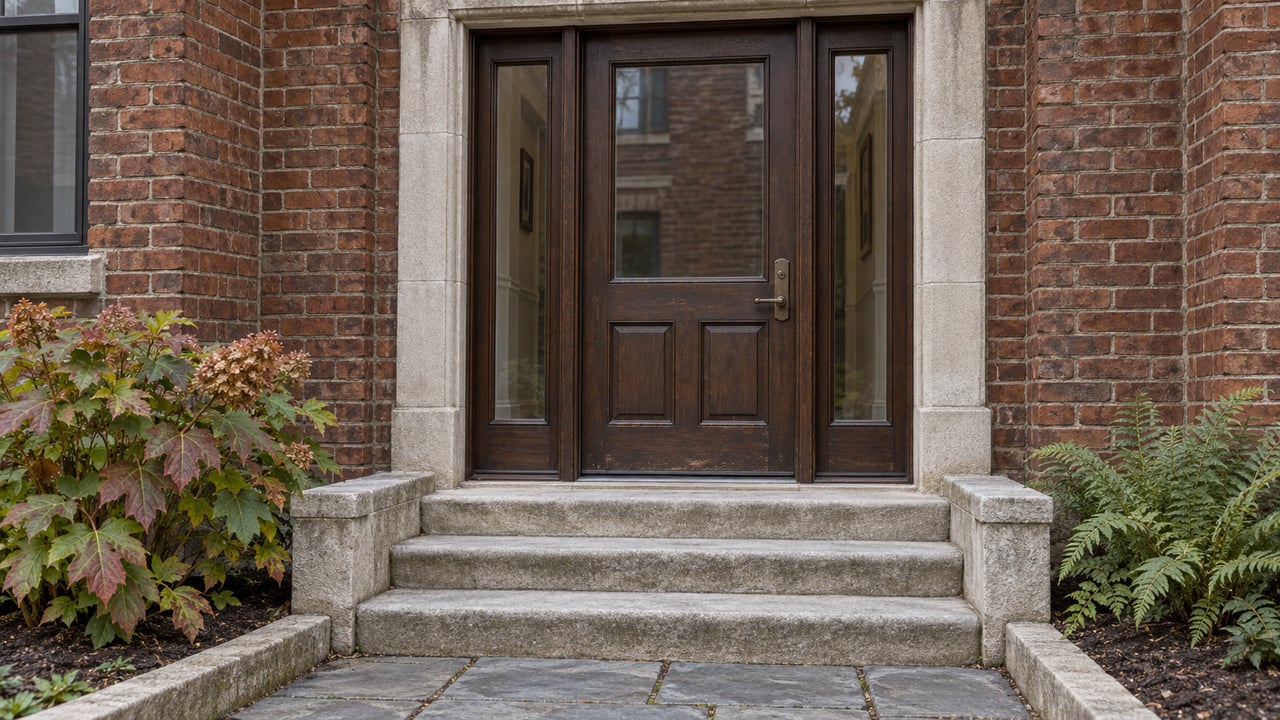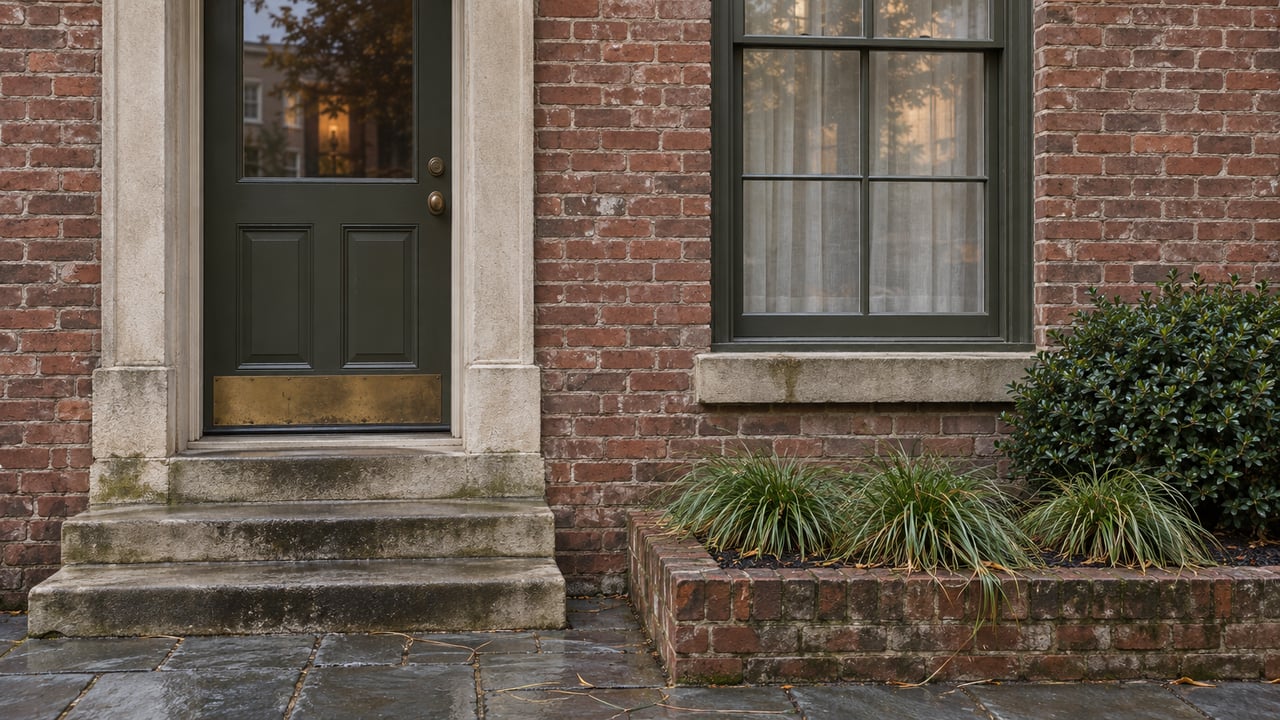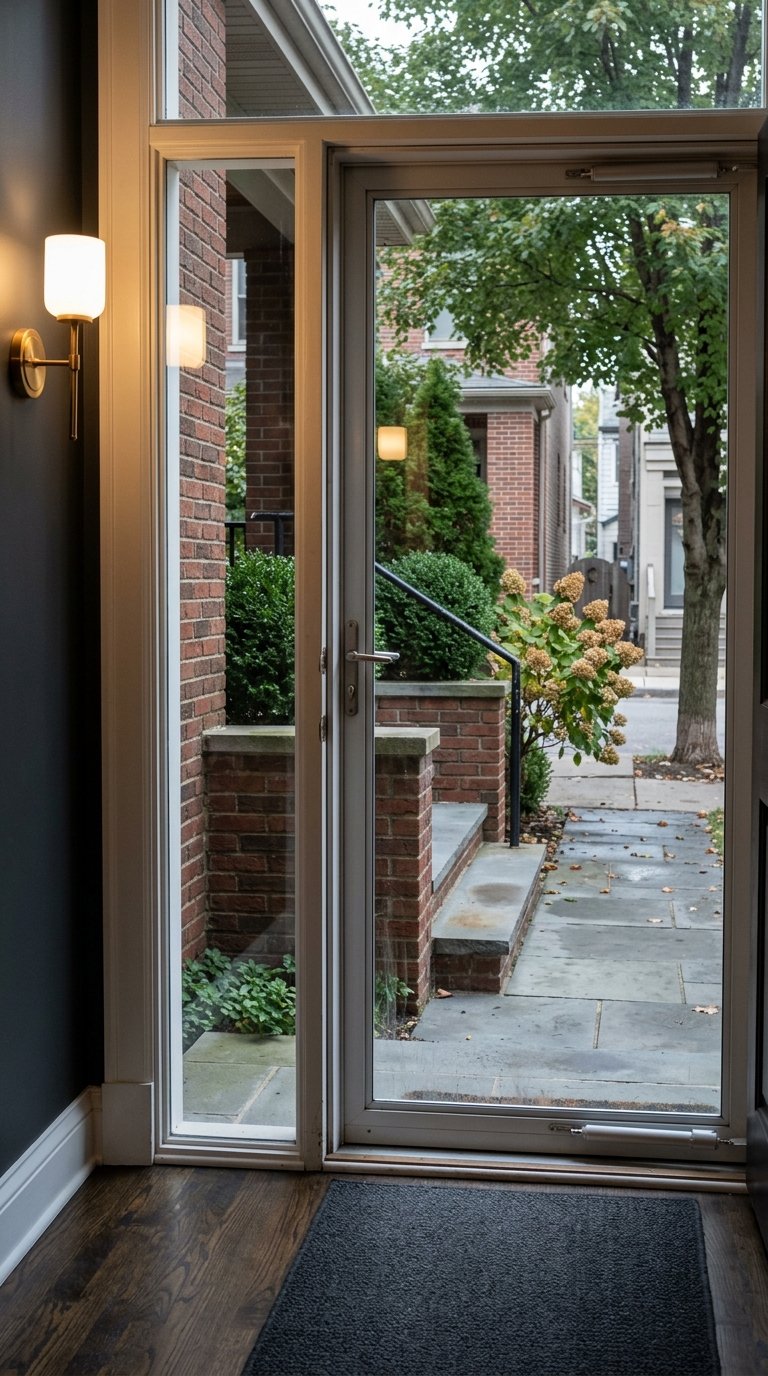
Curious what everyday life in the Nassau suburbs actually feels like? If you’re moving from Queens or comparing nearby Long Island options, it helps to picture more than home prices and commute maps. Day-to-day life here is shaped by village centers, train routines, local parks, errands by car, and a strong sense of community scale. Let’s dive in.
Nassau suburbs feel local
One of the first things to understand about Nassau County is that it does not operate like one single suburb. The county is made up of 2 cities, 3 towns, 64 incorporated villages, and more than 60 hamlets. That structure shapes daily life in a very real way.
Instead of one central downtown, you often get a cluster of community hubs. Many villages have their own downtown areas, parks, services, and local rules. For you, that can mean a more village-centered routine, where daily life feels tied to your immediate community rather than the county as a whole.
That local feel also shows up in the housing mix. In places like Rockville Centre, official village information describes a range of housing types that includes single-family homes, co-ops, condos, town houses, and apartments. Nassau County data also points to a stable, owner-heavy housing pattern, with high owner occupancy and many residents staying in the same home year to year.
Your weekly routine often centers on your village
In many Nassau communities, your regular week can revolve around a familiar set of places close to home. You may head to the local downtown for small errands, pick up dinner nearby, stop at a park, and keep an eye on village calendars for seasonal events or meetings. That rhythm is a big part of suburban life here.
Village governments also tend to be hands-on. Rockville Centre lists village-owned water and electric services, while Mineola maintains separate highway, water, sewer, and parking functions. Garden City’s recreation department manages local parkland and programs, which gives you another example of how much daily life can be shaped at the village level.
If you are used to the pace of Queens, this can feel both familiar and different. You still have access to busy commercial areas and transit, but the day-to-day experience often becomes more neighborhood-focused. Many buyers like that mix of convenience and local identity.
Commuting is usually a hybrid routine
For many Nassau residents, commuting is built around a mix of rail, bus, and car travel. The Long Island Rail Road is the main commuter backbone, with service across Nassau, Suffolk, Queens, Brooklyn, and Manhattan. Many trains originate or terminate at Penn Station or Grand Central Madison.
That gives you a practical option if your work or regular trips take you into the city. For a lot of households, the train becomes part of the weekday routine, especially if you want a suburban home base without giving up access to Manhattan.
NICE Bus adds another layer to daily mobility. Its 38-route network serves Nassau, eastern Queens, and western Suffolk, with connections to 48 LIRR stations, 5 subway stations, and destinations like shopping centers, colleges, museums, parks, beaches, and residential areas. If you do not want every trip to depend on a car, that connectivity matters.
At the same time, road access still plays a major role. Major corridors like Old Country Road, Mineola Boulevard, Willis Avenue, and Roslyn Road support daily errands and regional travel. In practical terms, many Nassau households settle into a hybrid rhythm: train or bus for some commuting, and car trips for errands, appointments, and weekend plans.
Parking and station access matter
If you are considering a move, it helps to think beyond the train line itself. Day-to-day convenience often depends on how easily you can get to the station, where you park, and how your local downtown is set up. In transit-oriented places like Mineola, planning documents show how closely the downtown, station, parking, and mixed-use areas are connected.
That can make a big difference in how smooth your mornings feel. A home that looks close on paper may live differently depending on your route, local traffic patterns, and station-area routines. This is one of those details that often matters more after move-in than before.
Errands are a mix of main street and mall
Nassau’s suburban lifestyle often blends small-scale downtown convenience with larger regional shopping trips. In places like Rockville Centre, the downtown business district includes boutiques along with everyday stores such as hardware shops, florists, drug stores, home furnishings, clothing, sporting goods, and restaurants. That kind of downtown can cover a lot of your regular needs.
Mineola offers a somewhat different version of the same idea. Its comprehensive plan describes a mixed-use, human-scale downtown with small storefronts built close to the sidewalk, offices and apartments above retail, and the LIRR station and Main Street or Second Street area serving as key civic and commercial anchors. That setup can make errands feel efficient and walkable once you are in the center.
For larger shopping runs, Roosevelt Field is a major regional anchor. It includes major department stores, more than 250 specialty stores, and access by car, NICE bus, and LIRR through Mineola Station. In everyday terms, you may find yourself using your local downtown for quick needs and the mall for bigger trips.
Fresh food and local markets add to the rhythm
Suburban life is not only about commuting and shopping centers. Farmers markets are also part of the routine in Nassau, with Cornell Cooperative Extension Nassau listing county markets for 2025 and noting their role in supporting the local food system. For some households, that becomes part of the weekend pattern.
Those smaller rituals matter. A Saturday market stop, an easy downtown coffee run, or a quick local errand can shape how connected you feel to an area. When buyers picture suburban life, these are often the details they end up valuing most.
Parks and outdoor time are part of daily life
Nassau offers a strong park and recreation network, and that has a real effect on day-to-day living. According to the Nassau Parks Conservancy, the county manages more than 70 parks, preserves, museums, historic properties, and athletic facilities across 6,000 acres. Residents can also use the county Leisure Pass for access or discounts at pools, skating rinks, golf courses, tennis courts, beaches, marinas, and cabanas.
That means outdoor options are not limited to one destination. Depending on your routine, you might use a neighborhood park during the week and save larger county destinations for weekends or summer outings. The variety gives you flexibility.
Eisenhower Park is one of the biggest examples. The 930-acre park includes swimming, golf, athletic fields and courts, picnic areas, entertainment, playgrounds, and fitness trails. If you want space for recreation without leaving the county, this is the kind of amenity that can become part of regular life.
Jones Beach adds another layer to the Nassau lifestyle. With 6.5 miles of white-sand beach, a boardwalk, fishing, food, mini golf, pickleball, concerts, and seasonal activities, it offers an easy way to shift from weekday routine to weekend downtime. For many buyers, that access is part of what makes the suburban move appealing.
Village recreation keeps communities active
County parks are only part of the picture. Village recreation departments often play an equally important role in how residents spend their time. Garden City’s recreation department describes a mission centered on cultural, sports, and senior programs, while Rockville Centre’s MLK Community Center offers after-school homework help, open recreation, dance, basketball, and summer programming.
This is one reason Nassau can feel so community-based. Activities are often organized close to home, through local departments and community centers rather than one countywide hub. That makes it easier to build routines around nearby programs and events.
Community calendars are part of the lifestyle
If you want to know what daily life feels like, look at a village calendar. Mineola highlights flag raisings, board meetings, concerts in the park, Memorial Day events, and arts festivals. Garden City calendars also include library, recreation, planning, traffic meetings, and seasonal events.
That mix tells you something important. Nassau suburban life is not only residential and commuter-oriented. It is also civic and event-driven, with regular opportunities to plug into what is happening locally.
For some buyers, that creates a stronger sense of belonging. For others, it simply means there is usually something going on close to home. Either way, the routine often feels active without needing to travel far.
What this means if you’re moving from Queens
If you are coming from Queens, Nassau suburbs can feel like a natural next step rather than a total lifestyle reset. You still have access to transit, busy commercial corridors, and a range of housing types. What changes is the scale of the day-to-day experience.
You may trade one large urban system for a more local pattern of village services, downtown errands, park access, and community events. In many cases, that is exactly the appeal. You get a suburban setting with strong ties to the city and a routine that often feels more contained and predictable.
The key is knowing that not every Nassau suburb lives the same way. Some areas feel more transit-oriented, some more village-centered, and some more car-dependent in everyday practice. Understanding that difference can help you choose a community that fits how you actually live.
If you are weighing a move to western Nassau, it helps to look beyond square footage and commute times. The right fit often comes down to the feel of the downtown, the ease of your daily errands, your park and recreation options, and how local the community feels once you are there.
When you want guidance that combines neighborhood perspective with a clear, organized process, Jennifer Scala can help you compare Queens and Nassau options with confidence.
FAQs
What is day-to-day life like in Nassau suburbs?
- Day-to-day life in Nassau suburbs often centers on local village downtowns, train or bus commuting, car-based errands, parks, recreation programs, and community events.
How do people commute from Nassau County to New York City?
- Many residents use the Long Island Rail Road for trips into Penn Station or Grand Central Madison, while NICE Bus and local road access also support daily travel.
Are Nassau suburbs walkable for errands?
- Some Nassau villages have downtown areas where shops, restaurants, and services are grouped closely together, while many larger errands and regional trips still tend to involve a car.
What kinds of shopping are common in Nassau County?
- Daily shopping often happens in village business districts such as Rockville Centre or Mineola, while larger retail trips may center on destinations like Roosevelt Field.
What outdoor amenities are available in Nassau County?
- Nassau County offers more than 70 parks, preserves, museums, historic properties, and athletic facilities, plus destinations like Eisenhower Park and Jones Beach.
Do Nassau villages offer local recreation programs?
- Yes, village recreation departments in places like Garden City and Rockville Centre offer local programs, events, and facilities that can become part of your regular routine.