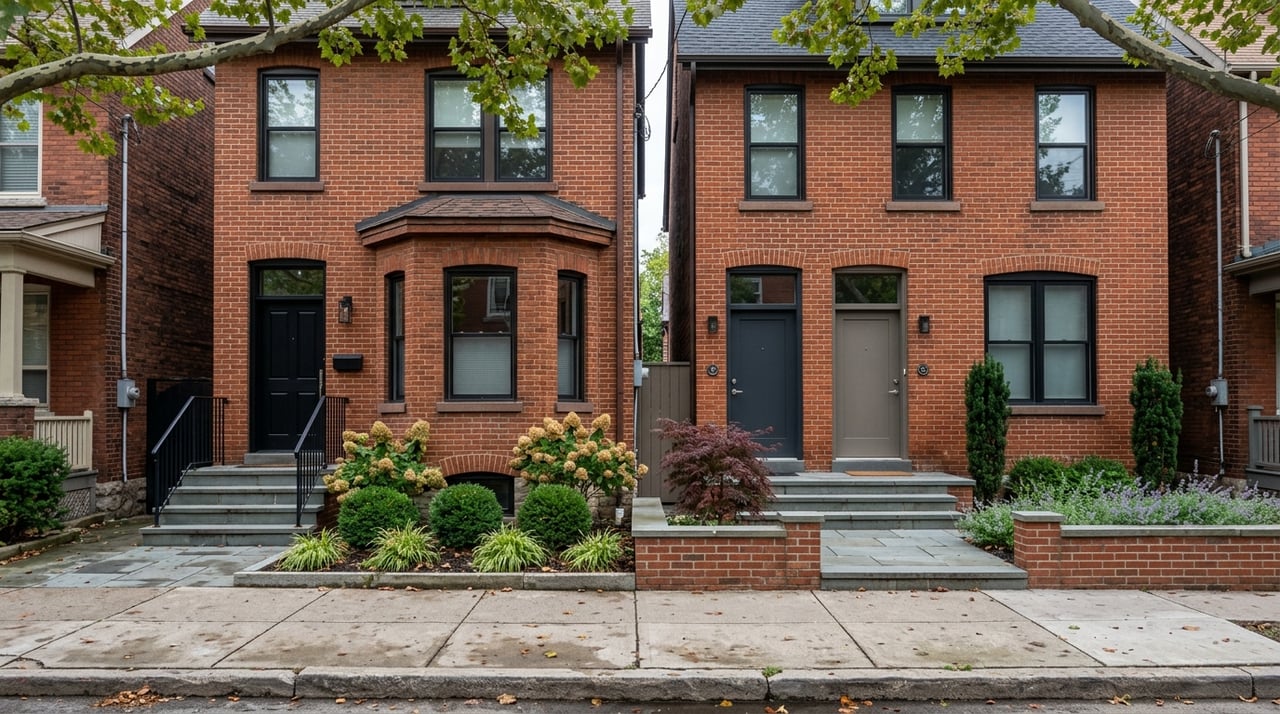
Trying to choose between a single-family and a two-family home in Queens? It is one of the most important decisions you can make because the right fit depends on more than price or square footage. You may be weighing privacy, future income, space for extended family, or how much day-to-day responsibility you want to take on. This guide will help you compare the real differences so you can move forward with more clarity and confidence. Let’s dive in.
Why this choice matters in Queens
In Queens, many buyers are comparing homes that fall under New York City Department of Finance Class 1. That category includes one- to three-unit residential properties, which means both single-family and two-family homes often sit within the same basic tax framework.
That said, the details still matter. According to the NYC Department of Finance, Class 1 assessment increases are capped at 6% per year and 20% over five years unless new construction or renovations apply. The city also notes that market value is based on recent sales of similar properties in the neighborhood, so accurate comparables and the home’s legal setup are especially important.
Single-family vs two-family basics
A single-family home is generally designed for one household. For many buyers, that means a more private living experience with fewer shared walls, fewer overlapping routines, and no built-in rental unit to manage.
A two-family home has two legal residential units. You might live in one unit and rent the other, use both for extended family, or hold the second unit for flexibility later on. That added option can be valuable, but it also changes how you should evaluate the property.
Privacy and day-to-day living
If privacy is your top priority, a single-family home is usually the simpler choice. You do not need to think about tenant relationships, shared entry points, or coordinating repairs around another household’s schedule.
A two-family home can offer flexibility, but it usually comes with more interaction and less separation. Even when the layout works well, you are still sharing one property with another unit, which may affect noise, parking, storage, yard use, or overall day-to-day routines.
Income potential and flexibility
The biggest reason many Queens buyers consider a two-family home is income potential. If you occupy one unit and rent the other, that rental income may help offset your monthly housing costs.
A two-family can also work well if you want space for extended family without giving up some independence between households. For some buyers, that flexibility is the main advantage, especially when planning for changing needs over time.
A single-family home can still offer future income possibilities, but you should not assume that extra space can simply become a legal rental. NYC now has accessory dwelling unit pathways in existing one- or two-family homes, but those units must meet code requirements and be legally approved before occupancy.
The legal question buyers cannot skip
In Queens, one of the most important questions is whether the property’s layout is legal as it exists today. This matters even more when you are looking at a possible second unit.
A Certificate of Occupancy, often called a CO, tells you how a building can legally be used. New York City says existing buildings need a CO if there is a change in use, exit routes, or type of occupancy, and a building cannot be used until a CO or Temporary CO is issued.
The city also notes that alterations to one- and two-family homes can trigger a new or amended CO. That means if a home was changed over time, the public records and the physical layout should match.
For a buyer looking at a two-family home, or at a one-family home with a possible extra unit, this is critical. NYC Housing Preservation and Development states that owners must rent only legal residential space as defined by the CO.
Why the CO matters so much
A two-family home is not just a larger house. It is also a property with a second legal residential unit, and that legal status needs to be verified.
If the second unit is not reflected in the CO or public records, you may be looking at a property that does not function the way you expect from a financing, occupancy, or rental standpoint. In a market like Queens, where buyers often compare similar-looking homes block by block, legal configuration can have a major impact on both value and usability.
Financing differences to know
Financing for a single-family home is usually more straightforward because the income picture is simpler. Lenders still review your income, debts, employment, assets, and credit history, but the analysis does not usually include rental income from another unit.
With a two-family home, the process can be different. The Consumer Financial Protection Bureau says lenders must make a reasonable, good-faith determination that a borrower can repay the loan and must consider and verify income or assets, debts, employment, and credit history.
For owner-occupied two- to four-unit properties, Fannie Mae allows rental income from the non-owner-occupied units to be used in qualifying, with documentation such as leases, tax returns, and an appraisal-based rental analysis. Freddie Mac also states that rental income from the other units can be added to the borrower’s total income for two- to four-unit owner-occupied primary residences.
In practical terms, that means a two-family home may sometimes help you qualify for more than a similar single-family home. The exact result depends on the loan program and the quality of the documentation, so it is important to ask early how the lender will treat that income.
Landlord responsibilities are real
The tradeoff with a two-family home is that the second unit is not passive. If you rent it out, you take on real responsibilities as a property owner.
NYC Housing Preservation and Development says owners must keep units safe and well maintained and comply with housing laws. The city also notes that tenants have rights related to housing quality, leases and security deposits, and protection from illegal lockouts and harassment.
That does not mean a two-family is the wrong choice. It simply means you should go in with a clear understanding that rental income comes with oversight, compliance, and ongoing maintenance expectations.
Property taxes and carrying costs
Many buyers assume a two-family home automatically falls into a very different property tax bucket than a single-family home. In Queens, that is not usually the case for these property types.
Because NYC Class 1 includes one- to three-unit residential properties, both single-family and two-family homes are generally subject to the same basic Class 1 framework. The bigger differences often come from market value, exemptions, abatements, and the home’s exact configuration rather than from a separate tax class.
The NYC Department of Finance also highlights common exemptions such as STAR, senior, veteran, clergy, and disability programs. When you compare homes, it is smart to look beyond the headline tax bill and understand whether exemptions are in place and whether they may change after a sale.
Which home fits your goals?
If you want a home centered on privacy, simplicity, and one-household living, a single-family home is often the better fit. It can be easier to manage and easier to picture as a long-term primary residence without the added layer of landlord duties.
If you want flexibility, possible rental support, or room for extended family in a legally separate unit, a two-family home may offer more value for your goals. The key is being honest about your comfort level with shared-property realities and owner responsibilities.
In Queens, this decision is often less about which home is better in general and more about which home works better for your budget, lifestyle, and plan for the next several years.
Smart questions to ask before you buy
Before making an offer on either property type, it helps to slow down and ask the right questions.
- Does the Certificate of Occupancy match the current layout of the home?
- If there is a second unit, is it legal residential space under the CO?
- If the home was altered, did the work require a new or amended CO?
- If you are buying a two-family, how will the lender document rental income from the other unit?
- If you are buying a single-family, is a legal future ADU realistic under current NYC rules?
- If you plan to rent a unit, what ongoing repair, lease, and compliance responsibilities should you budget for?
These are the kinds of details that can shape affordability, resale, and your day-to-day ownership experience. In Queens especially, the numbers and the legal setup should always be reviewed together.
If you are comparing single-family and two-family homes in Queens, the right guidance can save you time and help you avoid expensive surprises. Jennifer Scala brings neighborhood knowledge, careful transaction management, and a practical, numbers-driven approach to help you evaluate your options with confidence.
FAQs
What is the main difference between a single-family and two-family home in Queens?
- A single-family home is generally set up for one household, while a two-family home has two legal residential units and may offer rental income or multigenerational flexibility.
Why does the Certificate of Occupancy matter for Queens two-family homes?
- The Certificate of Occupancy shows how the building can legally be used, and if a second unit is not legally recognized, that can affect occupancy, rental use, and value.
Can rental income help you qualify for a Queens two-family home?
- In some cases, yes. For owner-occupied two- to four-unit properties, lending guidelines may allow income from the other unit to be used in qualifying if the required documentation is provided.
Are single-family and two-family homes taxed differently in Queens?
- Often, both fall under NYC Class 1, so the bigger tax differences usually come from market value, exemptions, abatements, and the exact legal configuration of the property.
Is a two-family home in Queens better for extended family living?
- It can be, because a two-family home may provide separate legal units that offer more flexibility for different households living on one property.
Can you add a rental unit to a single-family home in Queens later?
- Possibly, but any future accessory dwelling unit must meet NYC code requirements and be legally approved before it can be occupied.