If you have been wondering whether moving from Queens to Nassau is the right next step for your family, you are not alone. For many households, this decision comes down to a simple but important tradeoff: more space and a more ownership-focused setting versus higher home prices, higher monthly costs, and a different day-to-day routine. The good news is that when you look at the numbers clearly, the choice gets easier. Let’s dive in.
Queens vs. Nassau at a Glance
For most families, a move from Queens to Nassau is not really about finding a place that is "better." It is about finding a place that fits your life now.
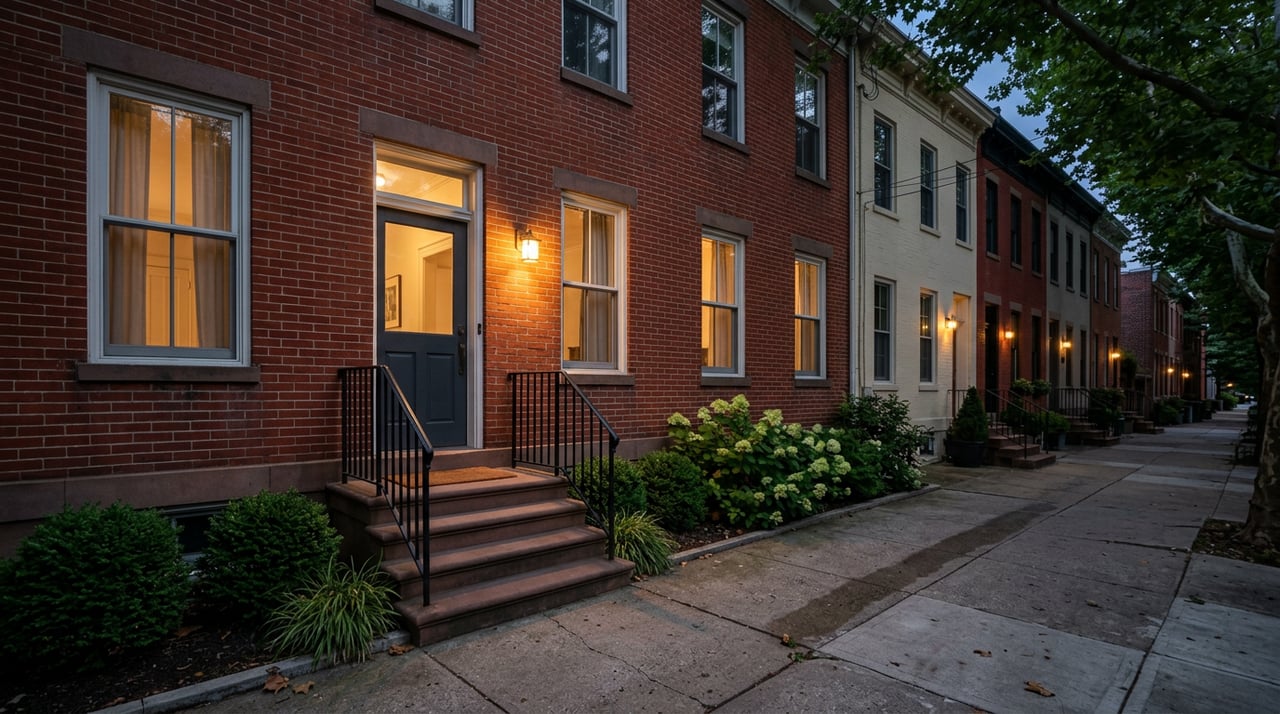
Queens is far denser than Nassau, with about 22,124.5 people per square mile compared with 4,905.3 in Nassau. Nassau also has a much higher owner-occupied housing rate, 81.9% versus 44.9% in Queens. That points to a different housing feel overall, with Queens often feeling more apartment-heavy and Nassau feeling more ownership-oriented.
Income levels also differ. Median household income is higher in Nassau at $146,202, compared with $86,136 in Queens. While that does not decide where you should live, it does give useful context for pricing, carrying costs, and what buyers are willing to pay in each market.
What You May Gain in Nassau
More room to spread out
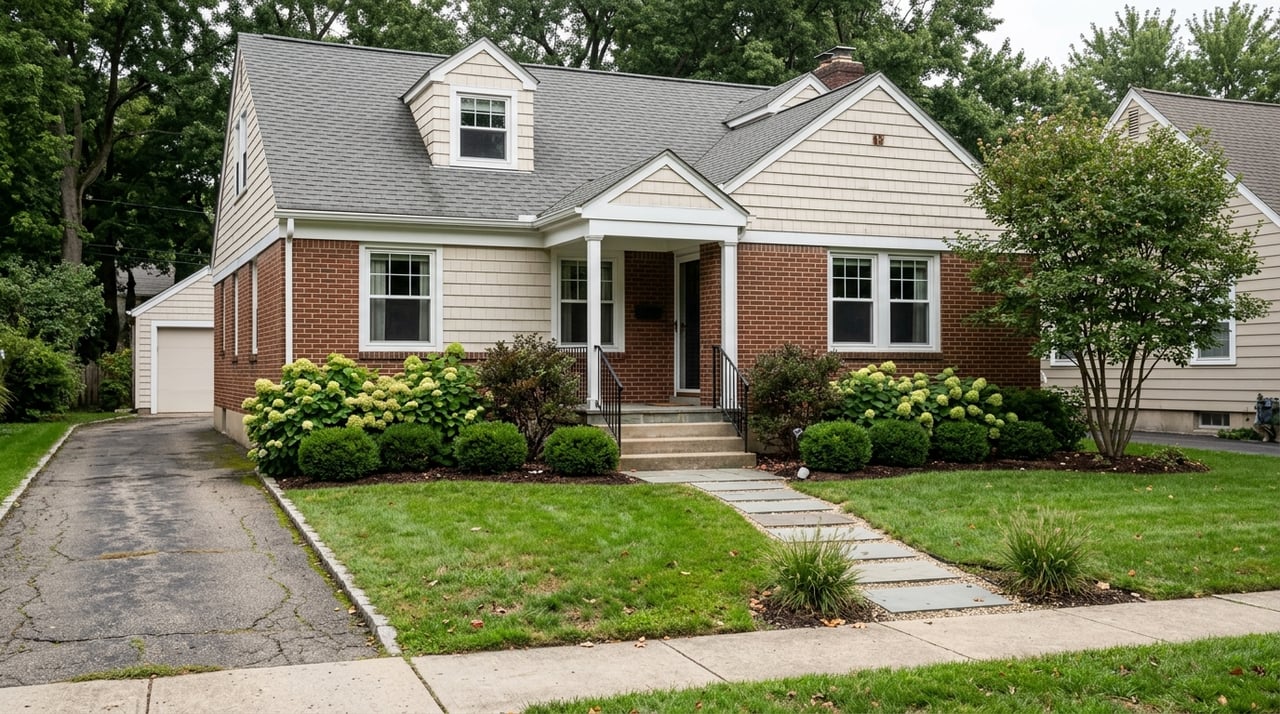
If your current home in Queens feels tight, Nassau may offer the kind of breathing room you are looking for. The lower density and more ownership-oriented housing mix often appeal to buyers who want a different layout, more private outdoor space, or a home that feels less connected to neighboring units.
That does not mean every Nassau property is large or every Queens property is compact. It means the overall housing pattern in Nassau tends to line up better with buyers who are prioritizing space and a more suburban setup.
A stronger ownership-focused environment
Nassau’s owner-occupied housing rate is significantly higher than Queens. For some families, that matters because they want a home purchase that feels tied to long-term stability and a more traditional suburban ownership model.
If your goal is to move from renting or from a smaller attached or apartment-style property into a home you plan to hold for years, Nassau may fit that goal better. Still, your exact experience will depend on the town, village, and housing type you choose.
Access to western Nassau commuter towns
For Queens households that want to stay connected to New York City while changing their living setup, western Nassau can make practical sense. The Long Island Rail Road serves many western Nassau stations, including Lynbrook, Valley Stream, Malverne, Rockville Centre, West Hempstead, Mineola, New Hyde Park, Great Neck, and Port Washington.
That rail access can help make the transition feel less dramatic. If your routine depends on transit, the key is not just whether a town has a station, but whether that station, schedule, and parking setup actually work for your household.
What It May Cost You
Higher home prices
As of May 2026, Nassau County’s median listing price was $899,000, while Queens County’s median listing price was $649,000. That is a gap of about $250,000.
For many families, that number alone changes the conversation. You may be able to get more space in Nassau, but you will often pay meaningfully more to get it.
Higher rents and broad monthly costs
If you are thinking about renting before buying, or comparing the cost of staying flexible, Nassau is also more expensive on the rental side. Median rent was $3,800 per month in Nassau versus $3,200 in Queens.
Owner costs tell a similar story. Census data shows monthly owner costs with a mortgage at $3,795 in Nassau and $3,094 in Queens, a difference of $701 per month. That is not a personalized mortgage estimate, but it is a useful reminder that moving east does not automatically reduce your monthly housing expense.
Less room to negotiate
Market pace matters, especially if you are trying to buy while selling a home in Queens. Nassau homes were selling in a median of 36 days, compared with 59 days in Queens.
Nassau’s sale-to-list ratio was about 100.8%, while Queens came in around 97%. Realtor.com also characterized Nassau as a balanced market and Queens as a buyer’s market, which suggests Queens buyers may have more negotiating room while Nassau buyers may need to move faster and make cleaner offers.
Taxes Are Not Simple in Nassau
One of the biggest differences between Queens and Nassau is not always obvious at first glance. It is the carrying-cost structure.
In Queens, property taxes are centralized through the New York City Department of Finance. In Nassau, property taxes can be layered across the county, towns, cities, villages, school districts, library districts, and other special districts. Village or city taxes and school taxes may also be billed separately.
That means two homes with similar prices can have very different yearly costs depending on exactly where they are located. Nassau County also has 62 school districts, which adds another layer of research when you are comparing properties.
For a family move, this is where details matter. It is not enough to love a house and like the list price. You need to understand the full monthly and annual cost picture before you commit.
Commute: Better, Worse, or Just Different?
A lot of families assume a move to Nassau will automatically create a tougher commute. Sometimes that is true, but not always.
Countywide, the mean travel time to work is 36.0 minutes in Nassau and 42.9 minutes in Queens. On paper, Nassau’s average is about 6.9 minutes shorter. But averages do not tell you what your real morning will look like.
Your commute depends on where you work, how often you go in, whether you drive or take the train, and which station is closest to home. A move to Nassau could improve your routine if you work on Long Island or near a convenient rail line. It could also make things harder if your daily pattern centers on western Queens or another part of the city.
The smartest move is to test the commute before you buy. Drive it, take the train, and do it at the times you would actually travel.
When Nassau Makes Sense for a Queens Family
Nassau may be a strong fit if your family is looking for:
- More living space
- A more ownership-oriented housing environment
- Access to western Nassau LIRR stations
- A longer-term home purchase plan
- A lifestyle that justifies higher monthly costs
It can also make sense if you are comfortable doing more property-level research. In Nassau, taxes and district-related details can vary more from one location to the next than many Queens buyers expect.
When Staying in Queens May Be Smarter
Queens may be the better choice if your family wants to keep more flexibility in the budget. The lower median listing price, lower median rent, and softer buyer conditions can create more room to negotiate.
It may also be the right call if your current commute works well, your neighborhood still fits your daily life, or you would rather avoid the added complexity that can come with Nassau’s localized tax structure. Sometimes the best move is not moving farther out. It is finding a better-fit home within the market you already know.
Questions to Ask Before You Move
Before you decide, try to answer these questions clearly:
- How much more space do you actually need?
- What monthly payment feels comfortable after taxes and other carrying costs?
- Would your commute improve, stay manageable, or get harder?
- Are you prepared to compare properties town by town and district by district?
- Are you buying for the next few years or the next decade?
If you can answer those questions honestly, the Queens-to-Nassau decision usually becomes much more practical and much less emotional.
The Bottom Line
For many Queens families, moving to Nassau can be a smart next step, especially if you want more space and a home that supports a long-term ownership plan. But the tradeoff is real. In the current market, Nassau usually means higher purchase prices, higher rents, higher broad monthly owner costs, and a faster-moving buying process.
That does not make Nassau the right answer for every household. It makes it the right answer for families whose priorities line up with what Nassau actually offers. The key is to compare not just the home, but the full cost structure, commute, and day-to-day fit.
If you are weighing a move from Queens to western Nassau and want a clear, numbers-driven plan, Jennifer Scala can help you compare your options and move forward with confidence.
FAQs
Should a Queens family expect higher home prices in Nassau County?
- Yes. As of May 2026, Nassau County’s median listing price was $899,000 compared with $649,000 in Queens County.
Is Nassau County less dense than Queens for families considering a move?
- Yes. Queens had about 22,124.5 people per square mile, while Nassau had about 4,905.3, which means Nassau is much less dense overall.
Are monthly housing costs higher in Nassau than in Queens?
- Broadly, yes. Census data showed monthly owner costs with a mortgage at $3,795 in Nassau and $3,094 in Queens, and median rent was also higher in Nassau.
Is it easier to negotiate when buying in Queens than in Nassau?
- Current market data suggests that may be the case. Queens was characterized as a buyer’s market, while Nassau was described as a balanced market, and Nassau homes were selling faster.
Should buyers research taxes carefully when moving from Queens to Nassau?
- Absolutely. Nassau property taxes can include layers such as county, town, village, school district, library district, and other special district charges, so two similar homes can carry very different yearly costs.
Will a commute from Nassau be harder than a commute from Queens?
- Not necessarily. Nassau’s countywide mean travel time to work was 36.0 minutes versus 42.9 minutes in Queens, but your actual commute depends on your job location, transit options, and daily schedule.