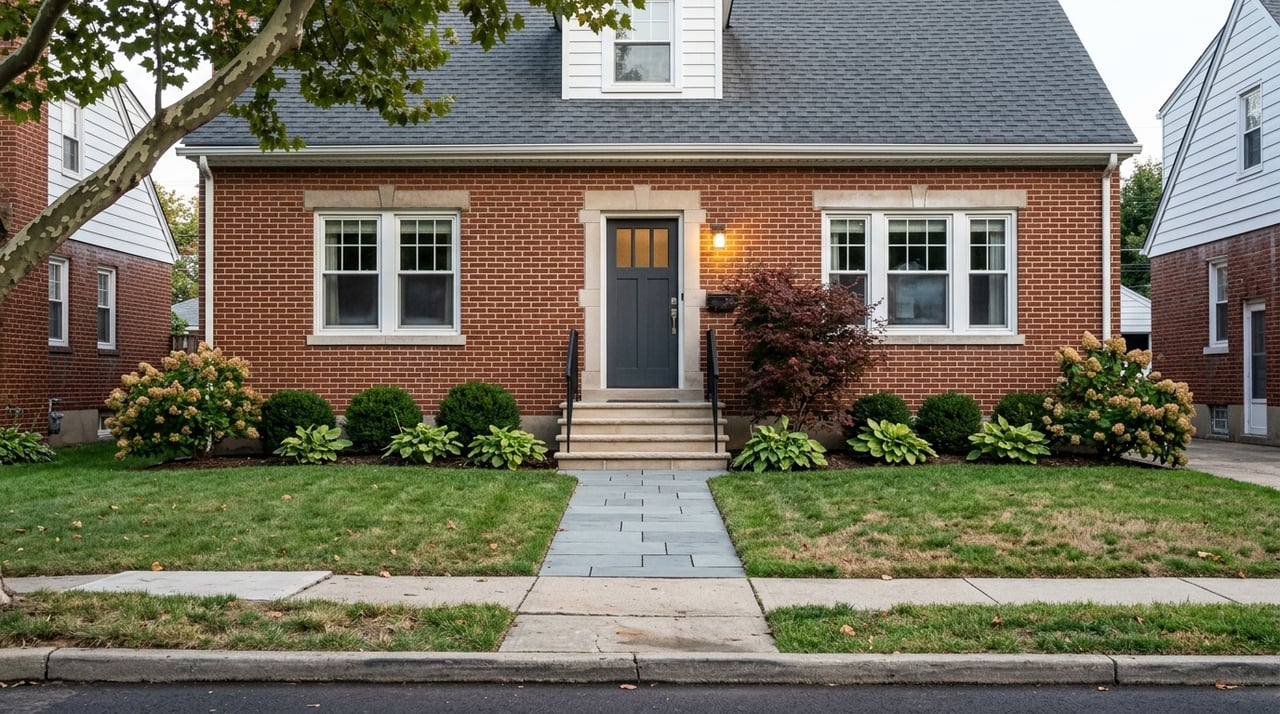
If you want more space, quieter blocks, and a more relaxed neighborhood feel without leaving New York City, Queens deserves a close look. Many buyers picture a move to the suburbs as the only way to get detached homes, tree-lined streets, and easy park access, but several parts of Queens already offer that mix. The key is knowing which neighborhoods feel the most residential, which ones are more mixed, and how transit and daily convenience fit into the picture. Let’s dive in.
What Gives a Queens Neighborhood a Suburban Feel?
In Queens, a suburban feel usually comes from a few features showing up together. Lower-density zoning, detached or semi-detached homes, tree-lined streets, neighborhood retail corridors, civic identity, and nearby parks all help create that impression.
NYC Planning describes the lowest-density residence districts as detached single-family areas. Across Queens, official neighborhood profiles repeatedly point to places like Bayside, Douglaston, Little Neck, Forest Hills, Utopia, and Jamaica Estates as neighborhoods where those low-rise, residential patterns are especially visible.
The Clearest Suburban-Feel Neighborhoods in Queens
Some Queens neighborhoods make the suburban comparison feel immediate. These areas tend to have a stronger concentration of one-family homes, calmer residential streets, and more obvious separation from the borough’s busier commercial corridors.
Bayside
Bayside is one of the strongest examples of a suburban-feel neighborhood in Queens. Community Board 11 describes it as mostly single-family homes, with some garden apartment complexes mixed in.
It also has the kind of daily convenience that makes a neighborhood easy to live in. Bell Boulevard and Northern Boulevard serve as practical commercial spines, while John Golden Park, Crocheron Park, Oakland Lake Park, and Alley Pond Park add greenery and recreation nearby.
For commuters, Bayside also benefits from Long Island Rail Road access. That combination of lower-density blocks and strong transit is a big part of what makes Queens different from a classic car-dependent suburb.
Douglaston
Douglaston is known for tree-lined streets and single-family homes. Official community descriptions emphasize its residential pattern, which is one reason it often feels more tucked away than other parts of Queens.
If you are looking for a neighborhood that leans quiet and low-rise, Douglaston belongs on your list. It also shares the LIRR access that helps this part of northeast Queens stay connected to the rest of the city.
Little Neck
Little Neck is described by the city as a neighborhood of one-family homes in a very suburban setting. That wording alone makes it one of the most direct matches for buyers who want a more traditional residential feel.
Like Bayside and Douglaston, Little Neck pairs that housing pattern with commuter rail access. It also offers local convenience through Northern Boulevard restaurants and a smaller commercial area near the train station.
Utopia
Utopia is another strong option if you are focused on detached housing. City materials describe it as mostly one-family detached dwellings, which makes it a natural fit for buyers seeking more privacy and lower-density streets.
It sits within a broader cluster of residential neighborhoods in central Queens that often appeal to buyers imagining more breathing room without a full move out of the city.
Jamaica Estates
Jamaica Estates was originally planned as a suburban community with forest areas, nature, riding trails, and Tudor architecture. The neighborhood still describes itself as maintaining a suburban look today.
That history matters because it helps explain why the area still feels distinct. For buyers drawn to established residential character and a more spacious streetscape, Jamaica Estates stands out.
Holliswood
Holliswood is bounded by major parkways and residential streets, giving it a tucked-in, lower-density feel. It fits well into the group of Queens neighborhoods that blend detached homes, calmer blocks, and a less crowded visual character.
For buyers comparing central and eastern Queens options, Holliswood is worth considering if your priority is a more residential setting.
Mixed Neighborhoods With a Quieter Feel
Not every neighborhood with a suburban feel is made up mostly of detached homes. Some parts of Queens offer a quieter, neighborhood-scaled experience while still mixing in apartments, co-ops, and busier shopping corridors.
Forest Hills
Forest Hills is more mixed-density than Bayside or Little Neck, but it still offers a strong neighborhood feel. Community Board 6 describes low- and high-density buildings, curved streets, Tudor-style buildings in Forest Hills Gardens, and shopping areas along Austin Street, Continental Avenue, 108th Street, and Metropolitan Avenue.
The district profile also points to greenery and a small-town feeling. That makes Forest Hills a good fit if you want local shops, strong transit, and a more residential atmosphere without giving up the convenience of a denser neighborhood.
Forest Hills also stands out for transit. It has both subway and LIRR access, which can be especially appealing if commute flexibility matters to you.
Rego Park
Rego Park is more commercial and apartment-oriented than some other neighborhoods on this list. Still, it includes detached homes, a local residential core, and major shopping nodes around 63rd Road, 63rd Drive, and Queens Boulevard.
If you want a neighborhood that keeps everyday errands simple but still has some quieter residential pockets, Rego Park may be worth a closer look. It is less suburban in the classic sense, but it can still offer a more grounded, local feel than buyers expect.
Fresh Meadows
Fresh Meadows is often part of the conversation because it borders Cunningham Park and Union Turnpike. That park access adds real weight to the suburban comparison, especially for buyers who value open space and outdoor recreation.
It works best for people who want a residential environment with a practical location in central Queens. While the feel can vary block by block, the nearby green space is a major draw.
Kew Gardens Hills
Kew Gardens Hills is described by its civic association as a residential Queens neighborhood with active advocacy around parks, playgrounds, streets, and libraries. That kind of civic involvement often supports the stable, neighborhood-oriented feel many buyers are after.
It may not read as fully suburban as Little Neck or Douglaston, but it still fits the broader theme of quieter residential living within Queens.
Middle Village
Middle Village is one of the better examples in central Queens. Juniper Valley Park, at 55.64 acres, is a major focal point for recreation and civic life, and city planning materials for the area emphasize preserving established development patterns and neighborhood character.
That helps explain why many buyers experience Middle Village as low-rise and residential. If access to a large park matters to you, this neighborhood often earns a spot on the shortlist.
Why Parks Matter So Much in Queens
A suburban feel is not only about the homes. In Queens, green space often plays just as big a role in how a neighborhood feels day to day.
Alley Pond Park is the borough’s second-largest park and includes wetlands and more than 530 acres of natural areas. Cunningham Park spans 358 acres, while Crocheron Park brings shoreline views, lawns, winding paths, and recreation fields near Little Neck Bay.
In Middle Village, Juniper Valley Park adds another layer to daily life with recreation space and continued public investment. When you compare neighborhoods, nearby parks can make the difference between a place that simply looks residential and one that actually feels easier to settle into.
Transit Changes the Definition of Suburban
One of the biggest differences between Queens and a traditional suburb is that you do not always have to choose between space and connectivity. Many of the borough’s most residential-feeling neighborhoods still offer strong transit options.
Bayside, Douglaston, and Little Neck all have LIRR stations. Forest Hills has both LIRR and subway access, and Howard Beach connects to the A train and AirTrain JFK.
That means a suburban feel in Queens usually does not mean isolation. More often, it means lower density, more private-home character, and calmer blocks while staying connected to the wider region.
A Quick Note on Howard Beach
Howard Beach, including Old Howard Beach and Lindenwood, can also fit this conversation. NYC Planning describes Old Howard Beach as a low-density residential neighborhood, and city resiliency planning has limited future development largely to detached housing in order to preserve neighborhood character and reduce flood vulnerability.
That said, it is important to view Howard Beach with a full picture in mind. If you are considering this area, coastal-storm and flooding considerations should be part of your home search and property review.
How to Choose the Right Queens Fit
If you are narrowing your options, it helps to think in two buckets. The first includes the clearest suburban matches, such as Bayside, Douglaston, Little Neck, Utopia, Jamaica Estates, Holliswood, and parts of Howard Beach.
The second includes neighborhoods that feel quieter and more residential in certain sections, even if they are more mixed overall. Forest Hills, Rego Park, Fresh Meadows, Kew Gardens Hills, and Middle Village usually fall into that category.
A practical way to compare them is to focus on the details that affect your daily life most:
- Housing style, including detached homes versus mixed housing types
- Park access and outdoor space nearby
- Size and pace of local commercial corridors
- Transit options, especially LIRR or subway access
- The overall block-by-block feel during weekdays and weekends
If you are moving within Queens, these differences can be more meaningful than the neighborhood name alone. Two areas may both sound suburban, but one may fit your commute, housing goals, and lifestyle much better than the other.
Choosing the right neighborhood is rarely about finding the single “best” area. It is about finding the part of Queens that matches how you want to live, what kind of home you want, and how much convenience you need close by. If you want help comparing Queens neighborhoods with a suburban feel, Jennifer Scala can help you evaluate your options with local insight and a clear, practical process.
FAQs
Which Queens neighborhoods feel the most suburban?
- The clearest suburban-feel neighborhoods in Queens include Bayside, Douglaston, Little Neck, Utopia, Jamaica Estates, Holliswood, and parts of Howard Beach because they are associated with detached homes, lower-density blocks, and strong residential character.
Is Forest Hills considered suburban compared with other Queens neighborhoods?
- Forest Hills is more mixed-density than places like Bayside or Little Neck, but it still has a neighborhood-scaled feel, greenery, local shopping corridors, and both subway and LIRR access.
Does Queens suburban living still offer good transit?
- Yes. Bayside, Douglaston, and Little Neck have LIRR stations, Forest Hills has both subway and LIRR service, and Howard Beach connects to the A train and AirTrain JFK.
Which Queens neighborhoods offer both parks and a suburban feel?
- Bayside, Little Neck, Fresh Meadows, and Middle Village stand out because of access to parks such as Crocheron Park, Alley Pond Park, Cunningham Park, and Juniper Valley Park.
Is Howard Beach a good option for buyers who want a suburban feel in Queens?
- Howard Beach can offer a low-density residential feel, especially in Old Howard Beach, but buyers should also factor in coastal-storm and flooding considerations when evaluating homes there.