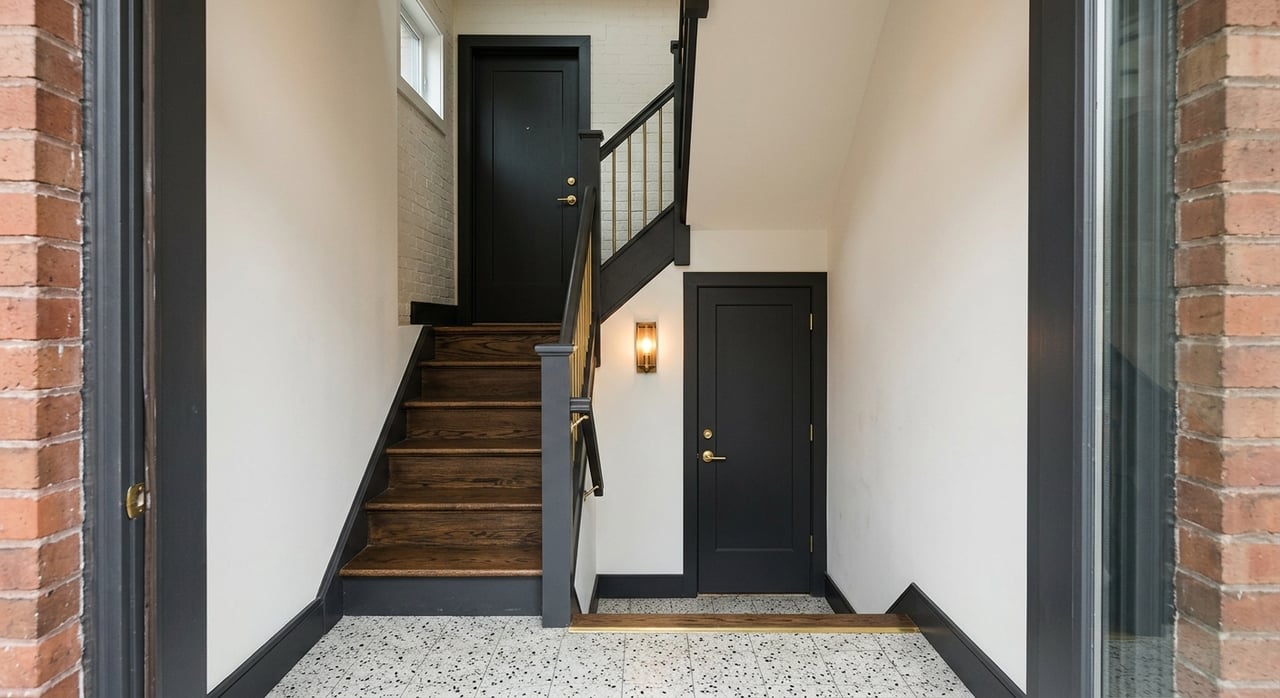
Wondering if a two-family home is the smart middle ground between a traditional house and a bigger investment property? In Queens and western Nassau, that question comes up a lot for buyers who want more flexibility, lower out-of-pocket monthly costs, or a property that can work harder for them over time. If you are weighing that move, this guide will help you understand how two-family homes work, what to verify before you buy, and where the tradeoffs usually show up. Let’s dive in.
What a two-family home means
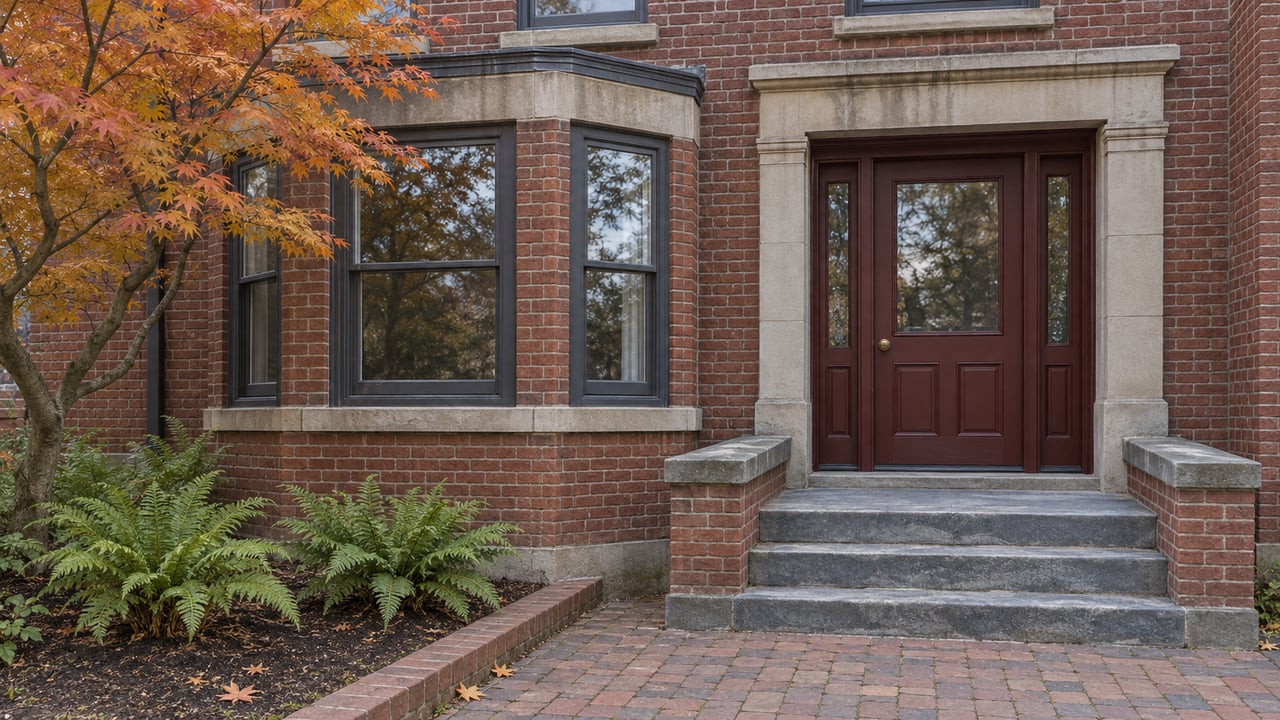
In Queens and western Nassau, a two-family property is generally a home with two legal residential units. That sounds simple, but the layout can vary quite a bit. New York City notes that one- and two-family dwellings may be detached, semi-detached, or attached, so two homes with the same unit count can feel very different in daily life.
That difference matters when you start thinking about privacy, noise, and how connected the units feel. A detached setup may offer more separation, while an attached or semi-detached layout may come with a little less privacy. For many buyers, that tradeoff is part of what makes a two-family more attainable than a larger standalone home.
Why buyers consider a two-family
For many owner-occupants, the biggest appeal is simple: you live in one unit and rent the other. That rental income may help offset your monthly housing costs, which is one reason two-family homes stay on the radar for practical buyers in Queens and nearby Nassau communities.
Fannie Mae allows rental income from the subject property when a borrower occupies one unit in a two- to four-unit principal residence. In general, that means a lender may consider rent from the other unit, but not from the unit you plan to live in. That can make a real difference in affordability, but it also means the numbers need to be realistic from day one.
How lenders usually look at the numbers
A two-family purchase is not usually underwritten like a fantasy spreadsheet. Lenders generally want to see that the rental income is likely to continue, and they may rely on current leases or market-rent evidence when appropriate. In other words, projected rent is useful only when it is supported.
You should also expect lenders to look for a financial cushion. Fannie Mae's automated underwriting can require six months of reserves for a two- to four-unit principal residence. That is a helpful reminder that even when the property has income potential, you still need breathing room for vacancies, repairs, or timing issues.
FHA also treats these purchases as owner-occupied principal residences. At least one borrower must occupy the home within 60 days and intend to stay for at least one year. If your plan is to buy a two-family and immediately operate it like a fully hands-off investment, that may not fit the usual owner-occupant loan structure.
Long-term rental use matters in Queens
In New York City, legality is a major part of the conversation. The city's Office of Special Enforcement says one- and two-family homes are meant for long-term residential use of more than a month at a time. Whole-unit short-term rentals are not allowed in those homes, with only a limited exception for host-occupied shared short-term renting by the permanent occupant.
That means the usual model in Queens is long-term rental use of the second unit, not a revolving guest setup. If your monthly budget depends on short-term rental income from a whole unit, that is a major red flag. For most buyers, the safer path is to evaluate the property based on stable, long-term use.
The biggest benefits of a two-family
A well-chosen two-family can offer real advantages, especially if you want to live on site and think long term.
Lower carrying costs
The second unit may help offset mortgage and ownership costs. That is often the core reason buyers explore this property type in the first place.
Flexible living setup
Some buyers like the option to live in one unit while keeping the other unit leased on a long-term basis. Others value having a property structure that may support a change in household needs over time, as long as the use remains legal.
Class 1 tax treatment context
In New York City tax records, one- to three-unit residential properties are classified as Class 1. Nassau County also places one-, two-, and three-family homes in Class One, though local municipalities may handle assessments and zoning differently. That classification context can be useful when you compare a two-family to larger residential buildings that are treated as income-producing properties.
The tradeoffs buyers should expect
A two-family is not just a house with a bonus check attached. It often works best for buyers who want the upside and are comfortable with the extra responsibility.
Less privacy than some buyers expect
If the home is attached or semi-detached, the living experience may feel closer to neighboring units than a fully detached house. Even within the same property, shared walls, stacked layouts, and proximity between entrances can affect how private the setup feels.
More maintenance decisions
Small multifamily ownership can involve more moving parts than a single-family home. If work goes beyond minor repairs, New York City says you may need a Registered Design Professional and permit plans. Changes that affect use, egress, or occupancy may also require a new or amended Certificate of Occupancy.
Rent should never be treated as guaranteed
A property can look great on paper and still hit bumps in real life. Vacancies happen, units need repairs, and lender rules make clear that rental income is treated as conditional, not automatic. That is why a two-family usually works best when the budget still makes sense even if the second unit is temporarily not producing income.
Queens due diligence before you buy
In Queens, one of the most important steps is confirming what is legal, not just what is visible during a showing. The certificate of occupancy and legal unit count matter more than bedroom count alone.
That issue comes up often with basements, cellars, attics, and informal apartment setups. New York City says informal basement and cellar apartments may be illegal and must be upgraded before they can qualify as legal accessory dwelling units. If a seller describes extra space as income-producing, that claim should be verified carefully.
There is another important point here. New York City allows only one accessory dwelling unit per single- or two-family home, and each ADU needs a separate entrance. If an ADU is added to an R-2 two-family building, the total becomes three dwelling units, and the whole building must comply with the Multiple Dwelling Law.
So if you are looking at a two-family with a basement setup, the key question is not whether the space looks finished. The key question is whether the unit count and occupancy are legal as represented.
Nassau checks are more local
If you are comparing Queens with western Nassau, the due diligence process shifts a bit. Nassau County notes that zoning review is handled through local governments, and the county planning commission reviews zoning actions referred by cities, towns, and villages. That means buyers should confirm the rules with the relevant town or village rather than assuming one countywide standard applies everywhere.
Nassau's assessment system also places one-, two-, and three-family homes in Class One. That is helpful when comparing broad ownership categories with Queens, but it does not replace parcel-level review. Local rules still matter, especially when the property has an unusual layout or possible accessory space.
Who a two-family fits best
A two-family is often a strong fit if you:
- Want to live in one unit and lease the other on a long-term basis
- Like the idea of offsetting some monthly housing costs
- Are comfortable with basic landlord responsibility
- Have enough reserves for repairs, vacancies, or timing gaps
- Prefer a practical, numbers-driven purchase strategy
This type of property may be a weaker fit if you:
- Need maximum privacy
- Are relying on aggressive rent assumptions to afford the purchase
- Want short-term whole-unit rental income in Queens
- Do not want any added management responsibility
How to decide between Queens and Nassau
If you are torn between Queens and western Nassau, the right answer usually comes down to property layout, legal configuration, and your comfort with the monthly numbers. In Queens, legal unit count, certificate of occupancy, and short-term rental restrictions deserve close attention. In Nassau, local town or village zoning review becomes especially important.
The smartest approach is to look past listing photos and run a calm, realistic analysis. Ask whether the home still works for you if rent starts later than expected, if repairs come up, or if the layout offers less separation than you hoped. A two-family can be an excellent move, but only when the property and your plan actually match.
If you are thinking about buying a two-family in Queens or western Nassau, having local guidance can save you time and help you ask better questions before you make an offer. When you want a practical, detail-focused approach, Jennifer Scala can help you evaluate the numbers, the layout, and the local considerations with confidence.
FAQs
What is a legal two-family home in Queens?
- A legal two-family home in Queens is a property with two legal residential units, and buyers should verify the certificate of occupancy and legal unit count rather than relying only on a listing description.
Can you use short-term rental income in a Queens two-family home?
- In New York City, one- and two-family homes are intended for long-term residential use of more than a month at a time, and whole-unit short-term rentals are not allowed except for limited host-occupied shared situations.
Can rental income help you qualify for a two-family mortgage?
- Lenders may allow rental income from the other unit of an owner-occupied two-family property when supported by lease or market-rent documentation, but that income is not treated as guaranteed.
What should buyers check about basement apartments in Queens?
- Buyers should confirm whether a basement or cellar apartment is legal, because informal units may be illegal and may need significant upgrades before they can qualify as lawful residential space.
How is Nassau different from Queens for two-family buyers?
- Nassau buyers should pay close attention to local town or village zoning rules, because zoning review is handled locally rather than through a single countywide standard.
Who is a two-family home best for in Queens or Nassau?
- A two-family is usually best for buyers who want to live on site, lease the other unit long term, and keep enough financial reserve to handle vacancies or repairs.